Body pain doesn’t come with severe muscle tension suddenly. It starts with small things. In most cases, the neck feels stiff after looking at a screen all day. Also, sometimes the shoulders feel tight during the drive home. Or the lower back complains when standing up after sitting for too long.
At first, it feels easy to ignore. Then the same discomfort keeps showing up. A long workday feels more tiring than it should. Others realize they are carrying tension almost everywhere they go.
That is usually when they start looking for ways to feel better. Knowing the full body massage benefits, you can see the difference and the feeling of moving comfortably.
Understanding Full Body Massage Benefits
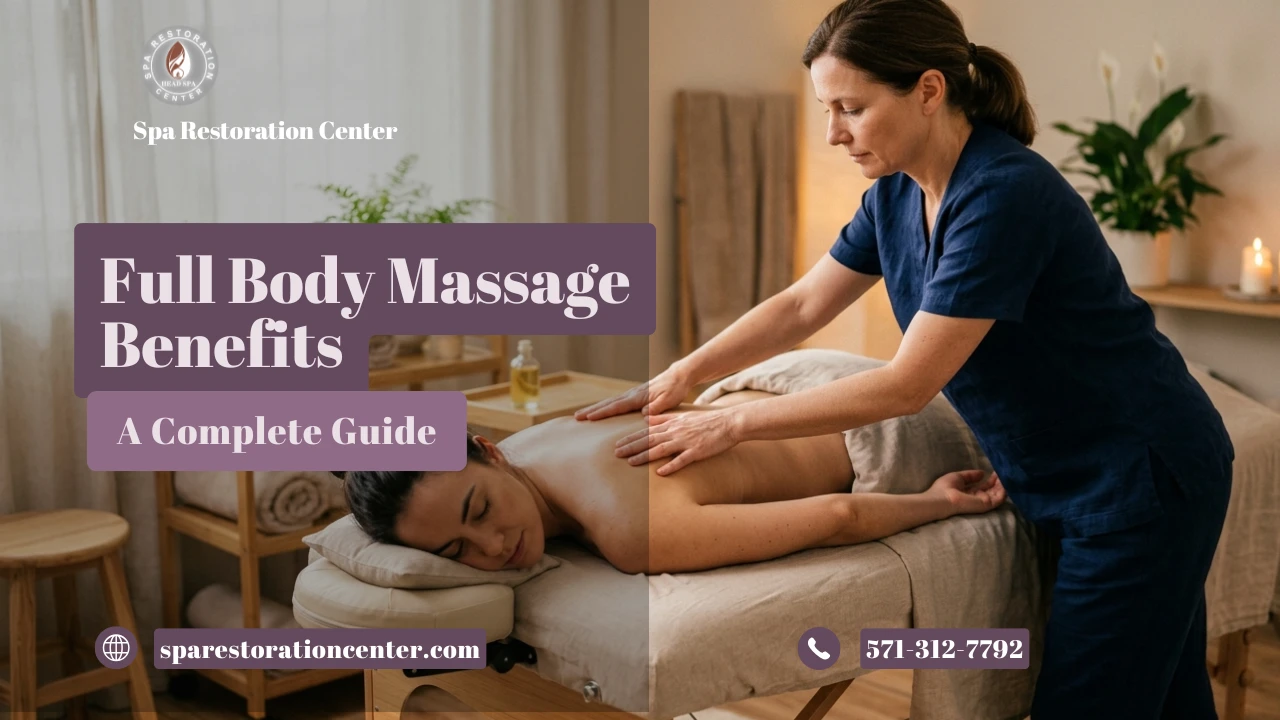
‘The Benefits of full body massage’ come from working on multiple muscle groups rather than focusing on a single part of the body. The therapist works to release built-up tension so that anyone can make better movements and feel more comfortable. Normally, a session involves:
- Long gliding strokes
- Gentle pressure techniques
- Muscle kneading
- Stretching movements
- Targeted work on tense areas
The Full Body Massage Benefits show up differently depending on how the body holds tension.
People do not always notice the benefits of a full-body massage while they are on the massage table. Rather, they notice them later when they see that reaching for something feels easier. Sitting through a meeting feels more comfortable. And finally, the body stops demanding attention with every movement.
Here, take a look at the benefits of massage and what happens to the body:
| Benefits | What Happens in the Body | What People Notice |
release built-up muscle tension | Focused pressure works on tight areas like the neck, shoulders, and lower back | Less stiffness in daily movement, easier turning of the neck, and less tightness in the back |
| Encourages natural relaxation | Slow, steady movements help the nervous system slow down | A calmer feeling, less mental clutter, and an easier time to unwind |
| Supports better rest | When muscles are not holding as much tension, the body can settle into a more comfortable state | Easier to relax at bedtime and a more settled feeling during the night |
| A reset for daily strain | Repetitive activities of the day can create physical buildup throughout the body | Feeling less worn out and more comfortable during everyday activities |
| Improves comfort during movement | Reduced muscle tightness allows the body to move more freely | Changing positions feels easier and more comfortable |
Full Body Massage for Pain Relief
Pain does not always come from an injury. Sometimes it comes from repetition, such as using the same chair while maintaining the same posture. Doing the same movements day after day.
A full-body massage for pain relief is useful to deal with muscle soreness, tightness, and everyday’s physical discomfort that you feel. Massage cannot fix every source of pain, but it surely relieves muscle tensions.
Research from the NCCIH suggests massage provides short-term relief for some pain conditions, from person to person.
It may also support the body in small but noticeable ways, such as:
| Common Cause of Discomfort | How Massage Responds | Potential Benefit |
| Long hours of sitting | Works through muscles that stay in one position for extended periods | Less stiffness and improved comfort during movement |
| Repetitive daily activities | Relaxes areas affected by repeated physical strain | Reduced muscle soreness and tension |
| Neck and shoulder tightness | Applies focused pressure to commonly affected muscle groups | Greater ease when turning, reaching, or carrying items |
| Lower back strain | Addresses muscles that support posture and everyday movement | Improved comfort while sitting, standing, and bending |
| Physical fatigue | Helps muscles recover from daily demands and overuse | A lighter, more relaxed feeling throughout the body |
What to Expect From the Full Body Relaxation Massage

A full-body massage for relaxation follows a simple structure. First of all, a massage therapist will take a few notes knowing about areas of your concern and how you want the pressure levels. From there, the therapist works through your muscle groups across the whole body. You may feel:
- The body starts feeling heavier at first, then slowly settles
- Muscles begin to loosen as pressure moves through tight areas
- Breathing becomes slower without trying
- Tension in the neck, shoulders, and back feels less “active.”
- Mind shifts away from daily thoughts and distractions
- Warmth spreads through areas being worked on
- Stiff spots feel less resistant during movement
- A quiet, steady calm builds as the session continues
- The body feels more open and less guarded
- After the session, movement feels easier and lighter
- A relaxed “after-feel” stays for a while even after getting up
- You notice less urge to constantly adjust posture or stretch
Session lengths commonly range from 60 to 90 minutes, though some spas offer shorter or longer options.
Also, massage is generally safe, but in certain situations, you need to be extra cautious. Avoid Massage or speak with an expert before booking if you have:
- Recent surgery
- Blood clot concerns
- Serious skin infections
- Unexplained swelling
- Severe osteoporosis
- Fever or illness
- Certain heart conditions.
Why Professional Technique Matters
A professional full-body massager understands how pressure, muscle groups, and body mechanics work together during a session. They know when to focus on a specific area and when to move on. They also understand how to adjust pressure based on the client’s comfort level.
That knowledge helps create a safer and more effective experience. When choosing a provider, consider:
- Professional training
- Licensing requirements in your area
- Experience level
- Service reviews
- Clean treatment environment
- Clear communication before the session
Final Thoughts
Massage is not limited to one type of client, as office workers look for neck, shoulder, and back comfort. Where active adults focus on recovery after exercise. Parents want time to relax and recharge. And travelers deal with sitting and travel fatigue. Older adults often look for comfort and easier movement. Busy professionals usually come in for stress relief and a mental reset.
However, a full-body massage cannot remove every source of discomfort, but it may help the body feel less stiff, less tense, and more comfortable. If daily stress and muscle tightness have been following you around, a session may offer a welcome break.
Frequently Asked Questions
Do the benefits of massage last if I only get one occasionally, or do I need to go regularly?
A single session helps in the short term, but the real value builds up over time. This is where regular massages make the difference, especially for lasting improvements in mobility and stress levels.
Is there an ideal frequency for getting a full body massage?
For most people, once a month strikes a good balance between cost and benefit. A monthly massage is often enough to keep muscle tension from building back up while still fitting into a normal schedule.
How does a full body massage affect both the body and the mind?
A full body massage does more than relax muscles. It also improves sleep, lifts mood, and lowers stress hormones, some of the same relaxing massage benefits that make it valuable beyond just physical relief.
Are there situations where a full body massage isn’t safe, like during pregnancy or with certain skin conditions?
Yes, some circumstances call for extra caution. This includes knowing whether you can get a massage while pregnant and understanding massage safety around cellulitis, since certain conditions require a modified approach or medical clearance before booking a session.