What Are “Toxins” in Muscle Knots?
What Are “Toxins” in Muscle Knots is a question many people ask when they feel tightness or soreness. Muscle knots happen when fibers contract and stay tense. This tension can trap waste products like lactic acid in the area. Over time, this buildup may make the muscle feel stiff or sore.
Massage therapy can help ease this tension. Techniques like deep tissue massage press into tight fibers. This pressure improves blood flow and helps move trapped waste. Other massages, like Swedish massage, focus on gentle strokes. They stimulate circulation and support the body’s natural cleanup process.
Not all massage styles affect knots the same way. Some only relax the muscle without improving waste removal. That’s why working with a skilled massage therapist matters. They know which techniques target tension and help the body release buildup safely.
How Massage Helps With Muscle Knots
What Are “Toxins” in Muscle Knots isn’t just about harmful chemicals. Most of the time, discomfort comes from muscle tension and tight fibers called myofascial trigger points. When these fibers stay contracted, blood flow slows. This can cause a buildup of lactic acid and other waste, making the knot sore.
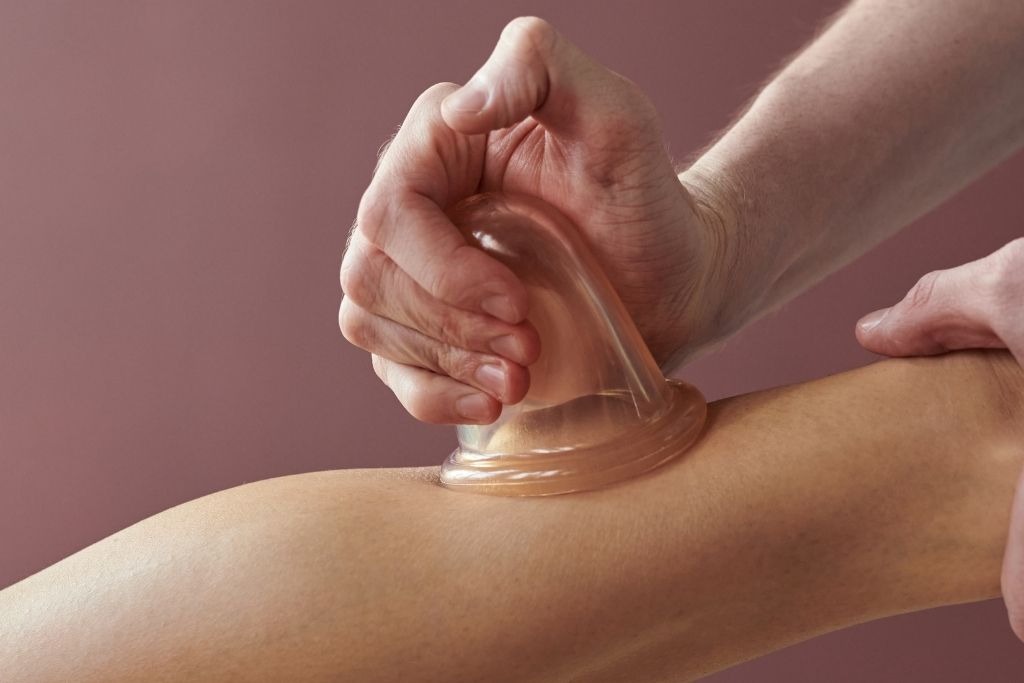
Massage therapy works by loosening these tight areas. Deep pressure on a knot stretches the fibers and improves circulation. This movement helps flush out accumulated waste and eases stiffness. Even gentle techniques, like Swedish massage, encourage blood flow and stimulate the lymphatic system.
Regular massage doesn’t just feel good, it supports the muscle’s recovery. By reducing muscle tension, improving circulation, and aiding in the removal of waste, knots become less painful and more flexible over time.
Common Misconceptions About “Toxins” in Muscle Knots
Many people think what are “toxins” in muscle knots means the muscle is full of harmful chemicals. In reality, most knots form from muscle tension, not dangerous substances. Tight fibers, or myofascial trigger points, restrict blood flow. This limited circulation can cause a buildup of lactic acid and metabolic waste, which leads to soreness.
Massage therapy often gets credited with “removing toxins.” While it doesn’t flush out harmful chemicals, it does improve blood flow and relax tight muscles. This helps move accumulated waste from the knot and reduces discomfort. Different techniques work differently. Deep tissue massage targets stubborn knots, while lighter methods improve overall circulation.
Understanding this helps set realistic expectations. Muscle knots are about tension and restricted circulation, not toxic buildup. With proper massage therapy, muscles recover faster, soreness eases, and flexibility improves.
How to Use Massage Therapy Effectively on Muscle Knots
What Are “Toxins” in Muscle Knots becomes clearer when you see how targeted massage therapy works. The key is to focus on areas of muscle tension without causing extra strain. Start with gentle pressure on tight spots. Gradually increase intensity on stubborn myofascial trigger points. This approach helps relax fibers and improves blood flow.
Using massage consistently supports the body’s natural recovery. Improved circulation helps clear lactic acid and other metabolic waste from tight muscles. Pairing massage with stretching or heat can make it even more effective.
Remember, technique matters. A skilled massage therapist can identify knots and adjust pressure. This ensures the muscle relaxes safely while soreness decreases. Proper application reduces tension, restores mobility, and prevents knots from returning.
Tips to Prevent Muscle Knots and Reduce “Toxins” Buildup
Preventing muscle tension is easier than treating stubborn myofascial trigger points. Regular movement and posture awareness keep muscles relaxed. Stretching after exercise helps clear lactic acid before it builds up.
Incorporating massage therapy into your routine can prevent knots from forming. Even short sessions improve blood flow and muscle flexibility. Staying hydrated and taking breaks from long periods of sitting also supports circulation and reduces tightness.
Pay attention to warning signs like persistent soreness or stiffness. Early action with stretching, gentle massage, or heat can stop minor tension from becoming a painful knot. Simple daily habits maintain muscle health, reduce discomfort, and support your body’s natural recovery processes.
Quick Action Plan for Managing Muscle Knots
What Are “Toxins” in Muscle Knots becomes practical when paired with action. Start by identifying areas of muscle tension and tight myofascial trigger points. Apply gentle massage therapy to loosen these spots and improve blood flow.
Combine massage with stretching or light movement to help flush lactic acid and support recovery. Stay hydrated, maintain good posture, and take breaks during long periods of sitting or repetitive activity.
Consistency is key. Regular care prevents knots from returning and keeps muscles flexible. Following this plan ensures soreness is reduced, tension is managed, and your muscles stay healthy.
When to Seek Professional Help for Muscle Knots
Even though most muscle tension and myofascial trigger points can be managed at home, there are times when professional massage therapy or medical advice is needed. If a knot causes persistent pain, swelling, or limits movement, it may require targeted treatment.
A licensed massage therapist can apply specialized techniques to release stubborn knots safely. They can also recommend stretches, heat therapy, or posture adjustments to prevent recurrence. In rare cases, persistent pain may signal an underlying issue, and a healthcare provider should be consulted.
Listening to your body ensures knots don’t worsen. Early professional intervention can relieve discomfort faster, improve mobility, and support long-term muscle health. Regular care combined with expert guidance keeps muscles relaxed, circulation flowing, and lactic acid buildup minimized.
At-Home Remedies for Muscle Knots
You don’t always need a professional to ease muscle tension. Simple steps at home can help. Applying a warm compress relaxes tight myofascial trigger points. Heat improves blood flow and reduces soreness.
Gentle stretching helps release fibers and prevent knots from forming again. Foam rollers or massage balls work well on stubborn areas. Moving regularly keeps lactic acid from building up.
Staying hydrated and taking short breaks from sitting or repetitive tasks also supports muscle health. Even short sessions of massage therapy at home can improve circulation and reduce stiffness. Consistency is key. Small daily actions prevent knots from returning and keep muscles flexible.
Lifestyle Habits to Prevent Muscle Knots
Preventing muscle tension starts with daily habits. Poor posture and long periods of sitting can create myofascial trigger points. Standing, stretching, and moving often keep muscles loose.
Regular exercise strengthens muscles and improves circulation. This helps clear lactic acid and prevents knots from forming. Drinking water and eating a balanced diet also support muscle health.
Using massage therapy regularly, even at home, keeps fibers relaxed and circulation flowing. Combining movement, hydration, and massage reduces soreness. Small, consistent changes in your routine prevent muscle knots and keep your body feeling healthy and flexible.
Final Takeaways on “Toxins” in Muscle Knots
The idea of toxins in muscle knots is often misunderstood. Most muscle pain comes from tension and tight myofascial trigger points, not harmful chemicals. Lactic acid and normal metabolic waste can build up during stress or overuse. This buildup makes muscles feel stiff and sore.
Massage therapy supports recovery by improving circulation and relaxing tight fibers. Increased blood flow helps muscles release waste naturally. Deep pressure reaches stubborn knots. Gentle techniques boost circulation and calm the tissue. Both methods reduce discomfort over time.
Consistent care delivers better results. Massage combined with stretching, heat, or movement keeps muscles flexible and lowers the risk of future knots. Treating the real source of pain ensures safe, targeted relief.
At Spa Restoration Center, massage therapy focuses on muscle function, not myths. Each session is designed to release tension, restore movement, and support long-term muscle health.

Frequently Asked Question
1. What Are “Toxins” in Muscle Knots?
Muscle knots are caused by muscle tension and tight myofascial trigger points, not harmful chemicals. Some waste like lactic acid may build up, but it isn’t dangerous.
2. How Does Massage Therapy Help Muscle Knots?
Massage therapy loosens tight fibers, improves circulation, and helps move trapped waste. It reduces soreness and restores flexibility over time.
3. Can I Treat Muscle Knots at Home?
Yes. Gentle stretching, foam rollers, heat, and self-massage can help release tension and reduce myofascial trigger points.
4. How Often Should I Use Massage to Prevent Knots?
Consistency matters. Regular massage therapy combined with movement keeps muscle tension low and prevents knots from returning.
5. Are Muscle Knots Dangerous?
Most knots are harmless. They cause stiffness or soreness but don’t indicate serious illness. Proper care and massage help muscles recover faster.
Leave a comment