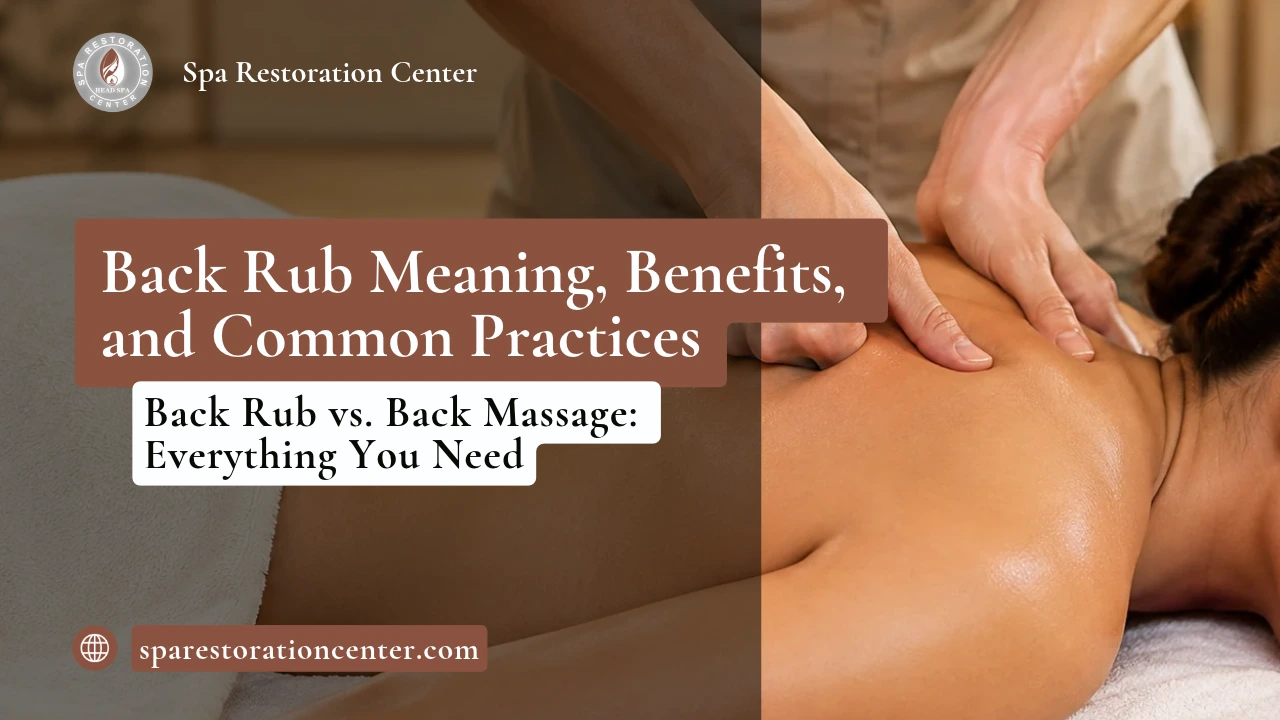
A back rub is the act of rubbing or massaging someone’s back, usually for comfort or relaxation. In everyday language, a back rub and a back massage can mean the same thing. A professional back massage describes an appointment with a trained practitioner who adapts the session to your needs and preferences.
The distinction is about the care you receive, rather than a strict difference between two words. A professional massage can be gentle and relaxing, while a casual back rub does not have a fixed technique or duration.
What Does “Back Rub” Mean?
A rub is a simple touch with gentle pressure. It usually moves back and forth over the surface. The goal is comfort, soothing, or loosening surface tension. You might rub your back after a long day or use massage for a stiff shoulder when you need relief. It’s easy, informal, and often instinctive.
The meaning of back rub is straightforward: someone uses their hands to rub or massage your back. Collins English Dictionary defines it as a form of massage involving the back. A massage is more structured and intentional. It involves techniques like kneading, pressing, or patting to improve circulation, relieve deep tension, or increase flexibility. A massage is usually performed by someone trained to understand muscles and movement. Beyond the body, the word can also mean giving special care or attention like pampering or carefully managing something to get the best result.
In short, a rub comforts. A massage works with purpose. Both feel good, but only one is designed for measurable results.

Back Rub vs Back Massage: Is There a Difference?
There is no universal rule separating a back rub from a back massage. People often use the terms interchangeably. When comparing a casual back rub with professional massage therapy, the useful differences involve training, preparation, and how the session is tailored.
| Factor | Casual back rub | Professional back massage |
| Who provides it | Often a partner, friend, or family member | A trained massage practitioner |
| Preparation | Usually an informal conversation | Discussion of goals, preferences, and relevant health history |
| Techniques | Simple rubbing or stroking | Techniques selected for the individual |
| Pressure | Should remain comfortable | Adjusted to your comfort and the suitability of the technique |
| Duration | Flexible | Depends on the service you book |
| Purpose | Often comfort or relaxation | May focus on relaxation, muscle tension, or other agreed goals |
| Results | Vary | Also vary; lasting relief is not guaranteed |
Neither label tells you how hard the pressure should be. Before booking, ask what the service includes and explain the experience you want.
Back Rub vs Back Massage: How They Feel and What They Do
The difference between a back rub and a back massage becomes clearer when you focus on the experience. A back rub feels light and comforting. It uses relaxation touch to help the body unwind. The pressure stays gentle. The goal is calm, not correction. It works well after a long day or during moments of stress.
The back rub vs back massage contrast shows up in results. A professional back massage goes deeper. It applies therapeutic massage techniques to specific muscle areas. The pressure is adjusted with purpose. Movements follow muscle direction and tension patterns. The aim is relief that lasts, not just comfort in the moment.
A back rub helps you relax. A professional back massage helps your body recover. One eases the mind. The other supports physical balance and function.
Purpose and Results: What You Should Expect
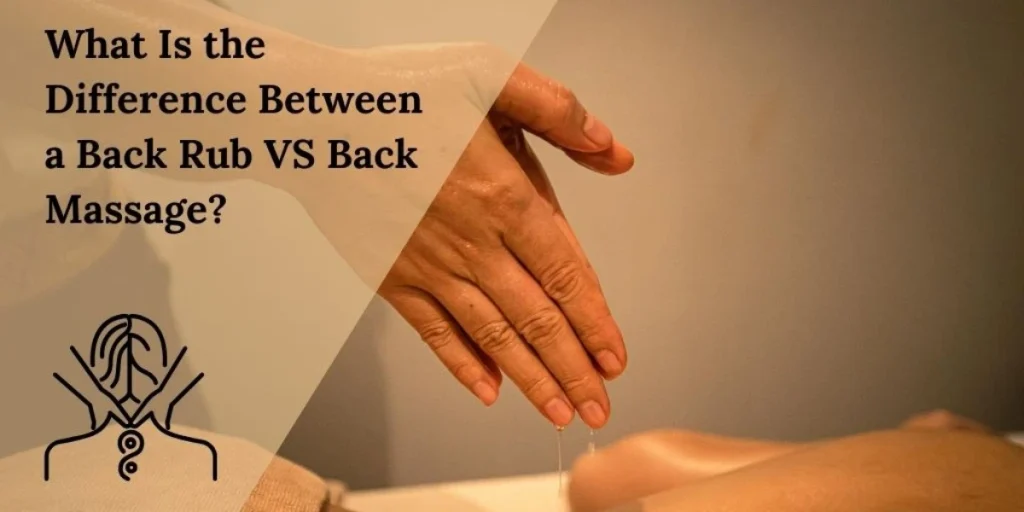
The difference between a back rub and a back massage shows most clearly in the outcome. A back rub focuses on comfort. It uses relaxation touch to help the body slow down. Muscles feel looser for a short time. The effect is calming, but temporary.
In the back rub vs back massage comparison, a professional back massage aims for results. It applies therapeutic massage techniques to problem areas. Tight muscles are worked with intent. Stiff joints are addressed with care. The body responds over time, not just in the moment.
A back rub helps you feel better now. A professional massage helps your body function better later. One relaxes. The other restores balance and movement.
Who Should Choose Which Option
The difference between a back rub and a back massage matters when you decide what your body needs. A back rub works well for light stress. It fits moments when you want comfort and ease. Relaxation touch helps you unwind. It does not target specific muscle issues.
In the back rub vs back massage choice, a professional back massage suits deeper needs. It uses therapeutic massage techniques to address tension, pain, or limited movement. This option works best when discomfort keeps returning or affects daily life.
Choose a back rub for simple relaxation. Choose a professional back massage when your body needs focused care and lasting relief.
Cost and Time Considerations
The difference between a back rub and a back massage also shows up in cost and time. A back rub is usually shorter. Ten to twenty minutes is common. Prices are lower. The focus is on simple relaxation touch. It’s easy to fit into your day.
A professional back massage, especially at a Spa Restoration Center, takes longer. Sessions often last 60 to 90 minutes. The therapist uses therapeutic massage techniques with care and attention. Because of the training and skill involved, prices are higher. The session is an investment in your body’s health.
A back rub is quick and budget-friendly. A professional back massage at a spa restoration center takes time and focuses on lasting results. One soothes. The other restores.
Safety and Benefits
The difference between a back rub and a back massage is important for safety and benefits. A back rub is gentle and low risk. Relaxation touch can help reduce stress and calm the mind. It feels good but usually does not treat deeper muscle problems.
A professional back massage goes deeper. Using therapeutic massage techniques, a trained therapist can relieve back pain and tension, improve circulation, and support recovery.
A back rub is safe for general comfort. A professional back massage provides both safety and targeted benefits. One relaxes. The other restores and strengthens.
What Happens During a Professional Back Massage?
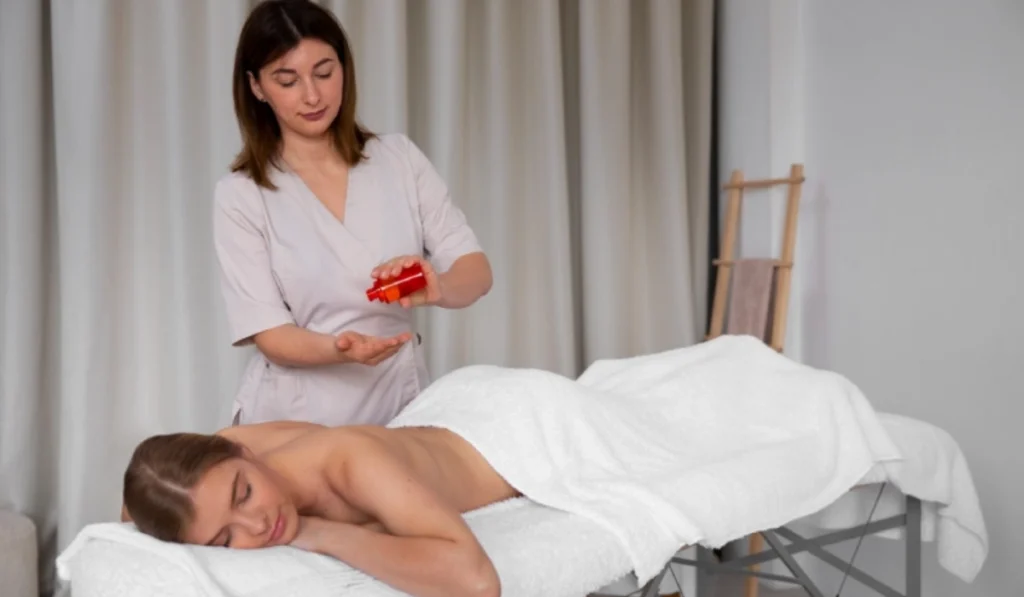
Knowing what to ask for makes it easier to choose a session. Before treatment begins, discuss the following with your therapist.
Your goals and areas of concern
Explain whether you want general relaxation or attention to a particular area. Describe where you feel discomfort, how long it has been present, and whether a healthcare professional has assessed it. Share relevant conditions, injuries, medications, and recent procedures.
Your preferred pressure
Describe the pressure you find comfortable and ask how to request adjustments. You can also identify areas you want the therapist to avoid. You do not need to tolerate unwanted pressure or continue a session that feels uncomfortable.
The scope of the appointment
Confirm whether the booking focuses on your back or includes other areas. Ask about session length, positioning, clothing or draping arrangements, and the total price. Service names alone may not explain these details.
You can explore Spa Restoration Center’s massage services and ask which option best matches your preferences before booking.
Can a Back Massage Help With Back Pain?
Massage may help some people manage discomfort, but it does not guarantee a cure. The National Center for Complementary and Integrative Health reports that research on massage for low-back pain has found possible short-term benefits, with low confidence in the evidence.
A professional session should therefore be described as a possible part of care, rather than a way to fix every back problem. Recurring or unexplained pain deserves medical assessment instead of repeated massage without understanding the cause.
For related information, read our guide to massage for neck and shoulder pain.
Should You Choose a Casual Back Rub or Professional Massage?
Consider what you want from the experience. If you want a brief moment of comfort, a gentle back rub from someone you trust may be enough. Agree on the touch and pressure you welcome, and stop whenever you wish.
If you want a planned appointment with a trained practitioner, professional massage offers the opportunity to discuss your preferences and select an appropriate service. Ask about the therapist’s training and experience rather than assuming that “deep,” “therapeutic,” or “restorative” guarantees better results.
For persistent symptoms or uncertainty about whether massage is appropriate, speak with a healthcare professional first.
Are Back Rubs Safe for Everyone?
No. Gentle touch is not automatically suitable for every person or health condition. NCCIH notes that massage generally appears to have a low risk of harm, but rare serious adverse effects have been reported. Do not use massage to postpone medical care.
Johns Hopkins Medicine advises people with chronic conditions or questions about suitability to consult a healthcare provider. Deep tissue techniques may be inappropriate for some people, including those with a history of blood clots or severe rheumatoid arthritis.
Tell your therapist about your health history and any restrictions your clinician has provided. You can decline a technique, request a change, or end the session at any time.
FAQs: Difference Between a Back Rub and a Back Massage
Is a back rub the same as a massage?
In everyday usage, a back rub is a massage of the back. A professional massage appointment adds a trained practitioner’s approach, discussion of your needs, and a defined service.
Does a professional back massage have to use deep pressure?
No. Ask for the pressure you prefer and discuss what is suitable for you. Professional massage can focus on relaxation; deeper pressure is not a requirement.
How long does a back rub or back massage last?
A casual back rub has no set duration. A professional session lasts for the time specified by the provider, so check the booking details instead of assuming every back massage takes an hour or more.
How much does a professional back massage cost?
The price depends on the provider, service, and appointment length. Check the current menu and ask whether the quoted price includes any selected additions before booking.
What should I tell my massage therapist?
Explain your goals, preferred pressure, areas to avoid, and relevant health history. Ask questions about anything you are unsure about, and give feedback during the session.
Explore Back Massage Options in Arlington, VA
Looking for a professional back massage in Arlington? Explore massage services at Spa Restoration Center and contact the team to discuss your goals, available sessions, and current pricing. Confirm the details before booking so you know what to expect.
In the back rub vs back massage choice, a professional back massage offers more. It uses therapeutic massage techniques to help relieve back pain, tension, and stiffness through massage. Sessions are longer and focused. The results last beyond the moment.
A back rub is great for quick relief. A professional back massage is best for lasting care. One soothes. The other strengthens and restores.