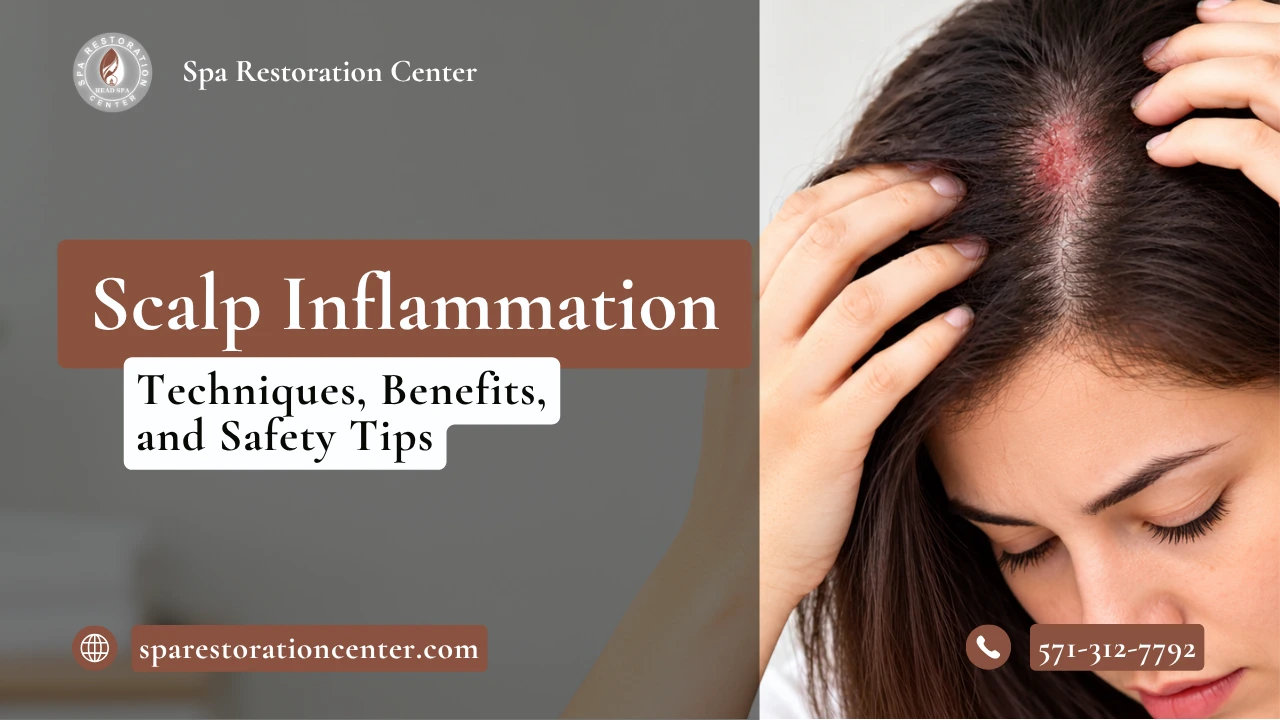
Scalp inflammation is a term people use when the scalp feels red, itchy, sore, or just not right. You may say your scalp is irritated. You may call it an inflamed scalp. Both words describe a scalp that feels uncomfortable.
People notice different things. Some see redness. Some feel itching, tenderness, or dryness. Others feel a warm or burning feeling on the skin.
This matters for your hair too. A calm, clean scalp is the base of good hair care. When the scalp feels bad, a simple wash day can feel hard.
In this guide, you will learn what an inflamed scalp can look and feel like. You will see common scalp inflammation causes that come from daily habits. You will learn how an irritated scalp may relate to shedding, and how to care for your scalp with gentle steps. You will get a simple scalp massage routine too. Massage can be a relaxing part of your scalp care, but it is not a medical fix.
What Is Scalp Inflammation?
When people ask what is scalp inflammation, the plain answer is this: it is a way to describe a scalp that feels irritated and upset. The skin on your head is skin, just like the skin on your face. It can get red, dry, or sore when something bothers it.
The scalp inflammation meaning most people use is simple. The scalp does not feel calm or comfortable. It may look red, feel itchy, or feel tender to touch. You may hear people say inflammation on scalp or inflammation in scalp. They mean the same thing.
Most people feel this once in a while. A new shampoo, a hot day, or a long gym session can make the scalp feel off for a day or two. That is occasional irritation. It often settles down once the cause is gone.
Ongoing discomfort is different. If your scalp feels bad for weeks, or it keeps coming back, it is worth paying more attention.
Many daily things can change how your scalp feels. Products, weather, sweat, stress, and rough hair habits all play a part. We cover each one below. Your scalp health matters since your scalp is where your hair grows.
What Does an Inflamed Scalp Look and Feel Like?
Scalp inflammation symptoms are different for each person. Some people have one sign. Others have a few at once. Here are the most common ones in simple terms.
Redness and Irritation
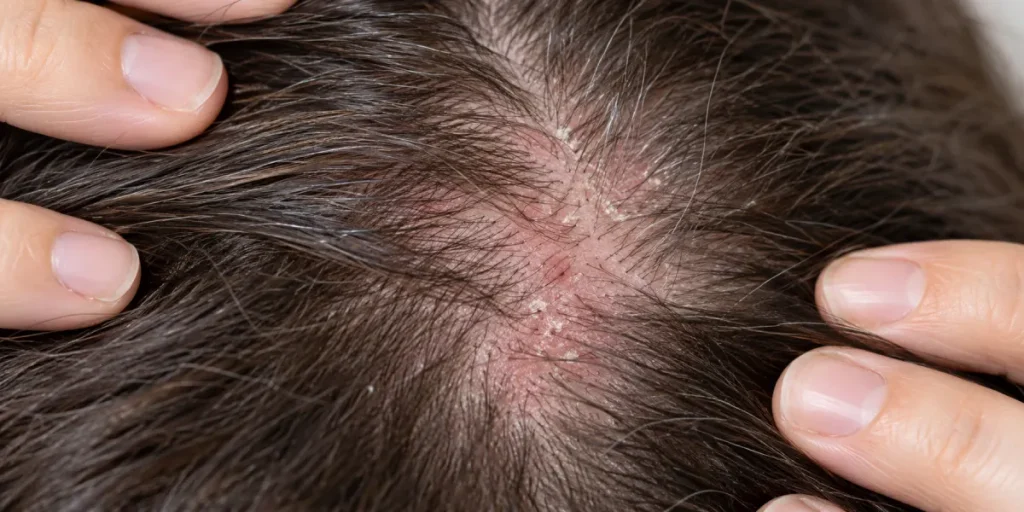
A red inflamed scalp is one of the most common signs. You might see pink or red skin when you part your hair. You might feel it more after a hot shower or after you style your hair.
Scalp redness can come and go. An irritated scalp may feel sensitive. Brushing your hair, tying it back, or wearing a hat may feel uncomfortable.
Itching and Scalp Discomfort
An itchy scalp is very common. An itchy inflamed scalp can make you want to scratch all day. Some people say it feels like a tickle. Others say it feels sharp or hot.
Scalp itching and scalp discomfort can show up after sweating, after using a new product, or on dry days. Some people describe a warm or burning feeling. These feelings are worth noticing, and the next sections show what may help.
Flakes and Dryness
Some people see small white or yellow flakes. Others see dry, tight skin. Flakes and dryness can come with an irritated scalp, but they do not tell you why the scalp feels bad. Dry air, product buildup, and rough washing can all cause them. If they keep happening, a trained professional is the right person to find the reason.
Swelling or Tenderness
Some people feel a tender spot or a puffy area. Scalp swelling can feel like a soft bump or a tight area. A sore scalp may hurt when you brush your hair or lay your head on a pillow.
Mild tenderness can pass. If a change stays, grows, or looks unusual, see the section on professional advice near the end of this guide.
What Causes Scalp Inflammation?
There is no single answer. Most of the time, a mix of everyday habits and daily life plays a part. Here are the common ones.
Product Buildup and Scalp Care Habits
Hair products can leave a film on the scalp. Shampoo, conditioner, dry shampoo, gel, and sprays can all build up over time. If you wash your hair rarely, oil and residue sit on the scalp longer. Understanding what a scalp detox involves can help you explore ways to manage that buildup.
Some products do not agree with your skin. A product can work well for a friend and feel bad on your scalp. Residue left near the roots after a quick rinse can make the scalp feel itchy or heavy.
Dryness and Environmental Factors
Dry air can leave the scalp tight and itchy. This often happens in winter, in heated rooms, or in air conditioning. Heat from a blow dryer or a hot shower can dry the skin. Strong sun, wind, and pollution can bother the scalp too.
When the weather changes, your scalp may feel different. That is normal. A softer routine often helps during these times.
Hair Products and Sensitivity
Shampoos, styling products, hair dye, and scented products can all bother a sensitive scalp. A new product is a common cause. Strong fragrance can be a cause for some people. Sensitivity to certain ingredients is common too.
If your scalp started feeling off after you changed a product, that is a helpful clue. Try going back to what you used before.
Sweat and Everyday Scalp Irritation
Sweat, natural oil, and product residue can mix on the scalp. When they sit there for hours, the scalp may feel itchy or uncomfortable. This is common after workouts, on hot days, or when you wear a hat or helmet for a long time.
Rinsing your scalp after a sweaty day can help it feel fresher.
Stress and Lifestyle Factors
Many people ask about stress and scalp inflammation. Stress may make the scalp feel more sensitive for some people. It can change daily habits too, like sleep, eating, and how often you care for your hair.
People ask about foods that cause scalp inflammation as well. There is no simple food list to follow. A balanced diet and plenty of water are good for your body as a whole. If you think a food is bothering you, talk with a healthcare professional.
You can think of lifestyle and scalp inflammation this way: rest, water, calm moments, and a steady routine all help you feel your best, and your scalp is part of that.
Quick Guide: Everyday Causes and Gentle Care Steps
Here is a quick look at the most common causes and one gentle way to care for each.
| Everyday Factor | How It May Make Your Scalp Feel | Gentle Care Step |
| Product buildup | Itchy, heavy, or greasy near the roots | Rinse well and wash on a regular schedule |
| Dry air and weather | Tight, dry, or itchy | Use lukewarm water and a mild shampoo |
| New or scented products | Red, sore, or itchy after use | Stop the new product and go back to what you used before |
| Sweat and oil | Itchy or uncomfortable after a workout or a hot day | Rinse your scalp after a sweaty day |
| Heat and rough styling | Sore or tender | Cut back on hot tools, hard brushing, and tight styles |
| Stress and busy routines | More sensitive than usual | Rest, drink water, and keep your routine steady |
Can Scalp Inflammation Affect Hair Loss or Thinning?
It can come with more shedding for some people, but it is not the only reason hair sheds. So can scalp inflammation cause hair loss? The honest answer is that an irritated scalp and shedding can show up at the same time. That does not mean one always causes the other.
People who search scalp inflammation hair loss or inflamed scalp hair loss often see more hairs in the brush or shower drain. When the scalp itches a lot, scratching and rough brushing can pull hair out too.
It helps to know the difference between two things. Temporary shedding is when you lose more hair than usual for a short time. Longer-term scalp inflammation hair thinning is when hair looks less full over months. Hair thinning can have many reasons, and an irritated scalp is only one possible piece.
Good scalp care can help your scalp feel healthier. A clean, calm scalp is a better place for hair to grow. But calming irritation does not mean hair will grow back. Nobody can promise that.
If you notice sudden or heavy hair loss, or hair loss in patches, talk with a healthcare professional. This guide is not meant to find out why your hair is shedding.
How to Calm and Care for an Inflamed Scalp
If you want to know how to calm scalp inflammation or how to soothe scalp inflammation, start with gentle habits. Small changes in your routine often feel the best.
Keep Scalp Cleansing Gentle
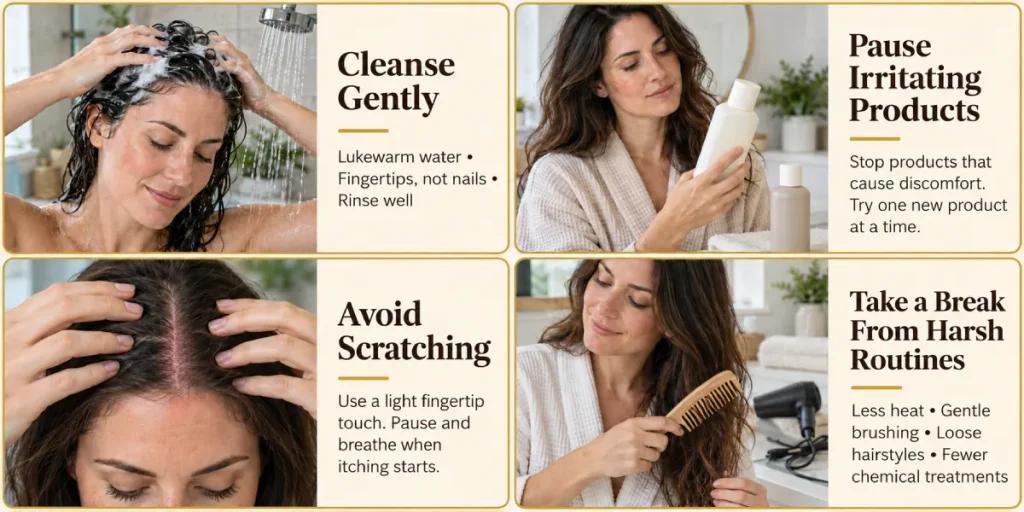
Wash with lukewarm water. Hot water can dry out the skin. Use your fingertips, not your nails, and move in slow circles. Do not scrub hard. If you are considering a heat-based scalp treatment, read our guide to scalp steaming safety for sensitive scalps before trying it.
Cleansing helps lift buildup from products and oil. Rinse well. Leftover shampoo or conditioner can stay on the skin and cause itching.
Avoid Products That Leave the Scalp Uncomfortable
Pay attention to how your scalp feels after you use something. Check your shampoo, styling products, scented items, and hair spa treatments. If a product leaves your scalp itchy, tight, or red, stop using it for a while. Before trying a heat-based hair treatment, learn about hair steaming risks and precautions, especially if your scalp is sensitive.
Add only one new product at a time. That way, you can tell which one your scalp likes or does not like.
Avoid Excessive Scratching
Scratching feels good for a moment, but it can leave the scalp more sore. It can break the skin too. Try pressing lightly with your fingertips or taking a few deep breaths when the itch hits. A gentle scalp massage can feel better than scratching.
Give the Scalp a Break From Harsh Routines
Cut back on things that stress the scalp:
- Very hot blow drying and heat styling
- Hard brushing, especially on tangles near the roots
- Tight ponytails, braids, and buns
- Color and straightening done too often
A few small changes can help. You do not need to change everything at once. If you want to reduce inflammation on scalp that keeps bothering you, a softer routine is a good first step. The same goes for anyone asking what helps scalp inflammation day to day.
If you also notice excess oil, our guide to oily scalp and hair loss explores that related concern.
Can Scalp Massage Help With Scalp Comfort?
It may help your scalp feel more relaxed and comfortable. It is not a fix for scalp problems, and scalp massage for hair loss is not a proven way to regrow hair. What it can do is give you a calm, soothing moment, and it can be a nice part of a weekly scalp care routine.
Gentle Scalp Massage Techniques
Here is a simple way to do it at home.
- Start with clean hands and a clean scalp.
- Use the pads of your fingertips. Do not use your nails.
- Press lightly, with soft pressure.
- Make slow circles, starting at the front of your hairline and moving back.
- Work across the whole scalp. Do not rub one spot too long or too hard.
- Spend three to five minutes, and breathe slowly.
- Stop if anything feels sore or sharp.
Skip any spot that is very sore, swollen, or has broken skin.
Why Gentle Massage Can Be Part of a Scalp Care Routine
Scalp massage feels relaxing. Many people feel calmer and less tense after a few minutes. It can make your scalp feel more comfortable and give you a reason to slow down and care for your hair.
It helps you notice how your scalp feels from week to week. A regular routine is easier to keep when it feels good. That is why many people enjoy scalp massage as part of a head spa visit or a home ritual. Think of it as a soothing self-care habit, not a medical step.
Natural Ways to Support Scalp Health
Many people look for natural remedies for scalp inflammation. The safest approach is simple daily habits, not homemade fixes. Here are low-risk ways to care for your scalp.
- Cleanse gently. Use mild products and your fingertips.
- Limit buildup. Rinse well and do not layer too many products.
- Use comfortable water. Lukewarm water is kinder to your scalp than hot water.
- Try a gentle scalp massage. Keep it light and short.
- Drink water. Staying hydrated is good for your whole body.
- Eat balanced meals. Regular, simple meals help you feel your best.
- Manage stress. Walks, rest, and calm time can help your body relax.
- Avoid extra irritation. Skip things that make your scalp feel worse.
Some people ask how to calm scalp inflammation naturally. The steps above are the answer: simple, gentle, and steady. Skip harsh scrubs, homemade mixes, and undiluted oils on the scalp. These can bother your skin more.
Natural does not always mean safe. If something stings or makes your scalp feel worse, stop using it.
Scalp Care Habits That May Help Prevent Irritation
Good scalp care is steady and simple. These habits may lower the odds of an irritated scalp. If you want to prevent scalp inflammation from coming back, start here.
- Wash on a regular schedule, and keep it gentle.
- Rinse until the water runs clear of product.
- Do not let too much product build up near the roots.
- Wash your brushes, combs, hats, and pillowcases often.
- Skip very tight hairstyles.
- Do not scratch hard.
- Pick products by how your scalp feels, not by what is popular.
- Keep your routine the same for a few weeks so you can see what works.
Scalp inflammation prevention is not about doing more. It is about being kind to your scalp and noticing what it likes. A steady routine is the best way to keep your scalp comfortable over time.
When Should You Get Professional Advice About Your Scalp?
Gentle scalp care works for everyday comfort. But some changes should be checked by a qualified healthcare professional. Get advice if you notice any of these:
- Discomfort that stays or gets worse
- Pain
- Heavy swelling
- Bleeding
- Sudden hair loss or bald patches
- Any change that looks unusual to you
A spa can help you relax and care for your scalp. A spa scalp analysis does not replace a medical assessment of why your scalp feels uncomfortable. A healthcare professional can provide that assessment. When in doubt, ask.
Frequently Asked Questions About Scalp Inflammation
Here are quick answers to the questions people ask most about scalp inflammation. Each answer is short, so you can find what you need fast.
What Causes Scalp Inflammation?
Most often, everyday things play a part. Product buildup, dry air, heat, sweat, new products, and rough hair habits can all make the scalp feel irritated. Stress and lifestyle can play a part too.
What Are the Signs of an Inflamed Scalp?
Common signs are redness, itching, dryness, tenderness, and a warm or burning feeling. Some people see flakes or feel a puffy spot too.
Can Scalp Inflammation Cause Hair Loss?
An irritated scalp and shedding can happen at the same time. But hair loss has many causes. Calm scalp care helps your scalp feel healthy, but it does not promise regrowth.
How Can I Calm Scalp Inflammation Naturally?
Wash gently with lukewarm water, rinse well, and cut back on harsh products and heat. Drink water, eat balanced meals, and rest. Skip homemade mixes and harsh scrubs.
Can Scalp Massage Help an Irritated Scalp?
A gentle scalp massage may help your scalp feel more relaxed and comfortable. Use your fingertips and light pressure. Skip any sore or broken area.
How Can I Reduce Scalp Irritation?
Use gentle cleansing, watch how your scalp reacts to products, and avoid scratching. Give your scalp a break from heat and tight hairstyles.
Can Scalp Inflammation Affect Hair Thinning?
It may come with thinning for some people, but thinning has many reasons. If your hair looks thinner over time, talk with a healthcare professional.
Conclusion
Scalp inflammation can show up as redness, itching, dryness, sensitivity, or discomfort. Everyday habits, like how you wash, what you use, and how you handle your hair, can change how your scalp feels.
Gentle cleansing and a soft scalp massage can be part of a healthy scalp care routine. They help you relax and care for your scalp in a kind way. They do not replace a professional check when you need one.
If your scalp changes stay, get worse, or feel painful, ask a qualified healthcare professional. Until then, keep your routine simple, gentle, and steady.