So you’re stuck on deep tissue vs relaxation massage. Fair enough, the names don’t tell you much. One is mainly about feeling good while you’re on the table. The other goes after the knots you’ve been carrying around. Expect slow, heavier hands with deep tissue, parked on two or three stubborn spots, while relaxation stays easy the whole time.
Every spa runs these its own way, and you can turn the pressure up or down in both. Neither should hurt. Plus, a lighter massage still loosens everyday stiffness, so don’t write it off as just a nap. Below, we put them side by side.
Deep Tissue vs. Relaxation Massage: What’s the Difference?
Start with why you’re booking. Some people book to zone out for an hour. Other people have a left shoulder that’s been grumbling since last month. Here’s a rough look at relaxing massage vs deep tissue, row by row.
| Feature | Relaxation Massage | Deep Tissue Massage |
|---|---|---|
| Main focus | Relaxation and general comfort | Focused work on selected areas |
| Typical pressure | Light to moderate | Firmer and more targeted |
| Techniques | Flowing, rhythmic strokes | Slower, focused strokes and pressure |
| Treatment area | Broader, usually full body | May concentrate on specific areas |
| Session experience | Usually calming | May feel more intense in some spots |
| Common reason for choosing it | Unwinding and general relaxation | Focused attention to muscle tightness |
| Pressure adjustment | Can be adjusted | Can also be adjusted |
(Take the chart with a grain of salt. No two therapists work exactly alike, so go ahead and ask what’s included when you book.)
What Is a Relaxation Massage?
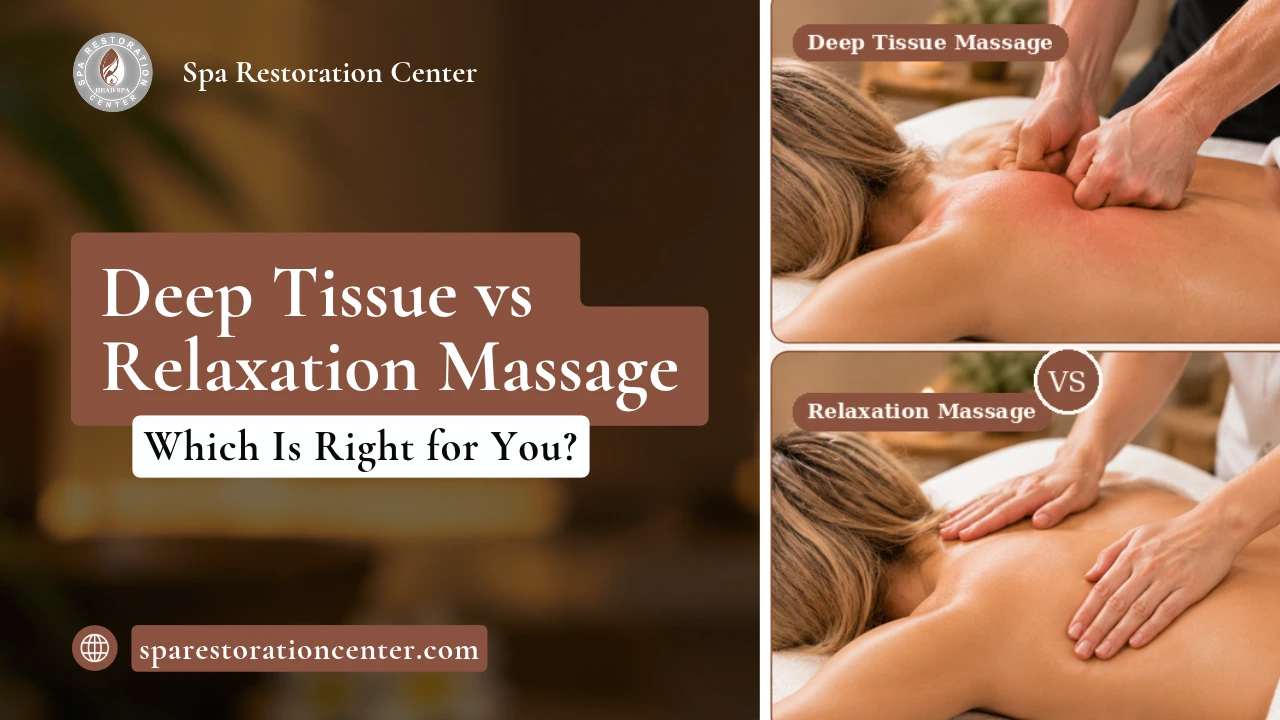
Imagine slow, smooth strokes running the length of your back, then down each arm, with no hurry at all. WebMD calls this kind of massage gentle. It leans on long gliding strokes, with a bit of kneading and some light tapping mixed in. You set the pressure. And instead of camping on one muscle, your therapist moves around most of your body.
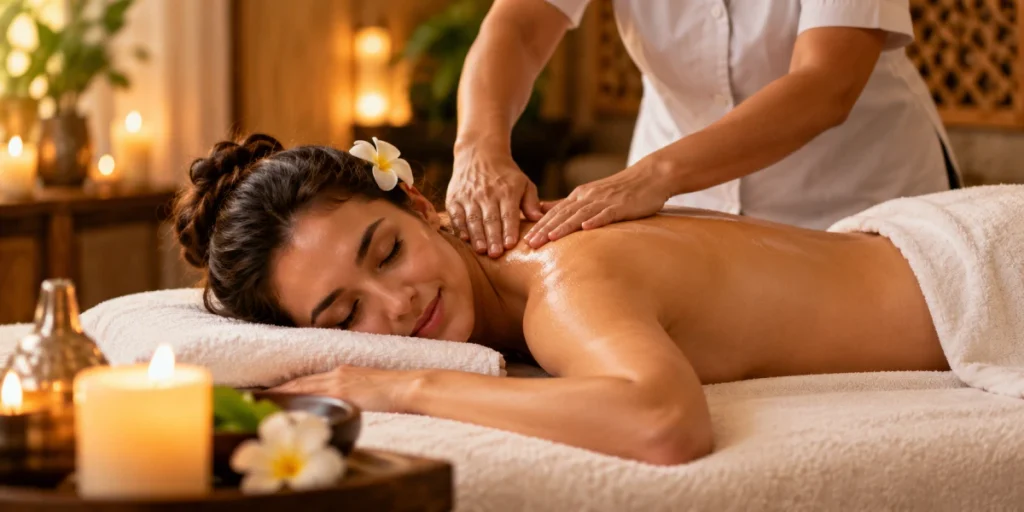
Somewhere around the ten-minute mark, you might catch yourself breathing slower. Falling asleep is allowed. In the relaxation massage vs deep tissue debate, this is the option that’s about the experience, not about fixing one sore spot. It suits anyone who mostly wants a peaceful hour. If you want more on what these sessions are like, our guide to Swedish massage for relaxation goes into detail.
One honest note. As nice as it feels, a relaxation massage is no fix for anxiety, insomnia or any other health problem.
What Is a Deep Tissue Massage?
Deep tissue moves at a crawl by comparison. Your therapist leans in harder and hangs around the tight bits, like that ridge between your shoulder blades or the muscles running down your lower back. WebMD says therapists use fingers, thumbs, and sometimes their elbows to get to the deeper muscle layers. And per Healthline, things usually start out lighter so the muscles can warm up.
Some folks picture a normal massage with extra muscle behind it, which misses what it’s for. When you compare deep tissue massage vs relaxation, the big change is focus. Ten minutes on a single shoulder is normal here, whereas a relaxation massage would keep moving. Even so, the pressure has to work for your body, and a good therapist will ask how it feels along the way.
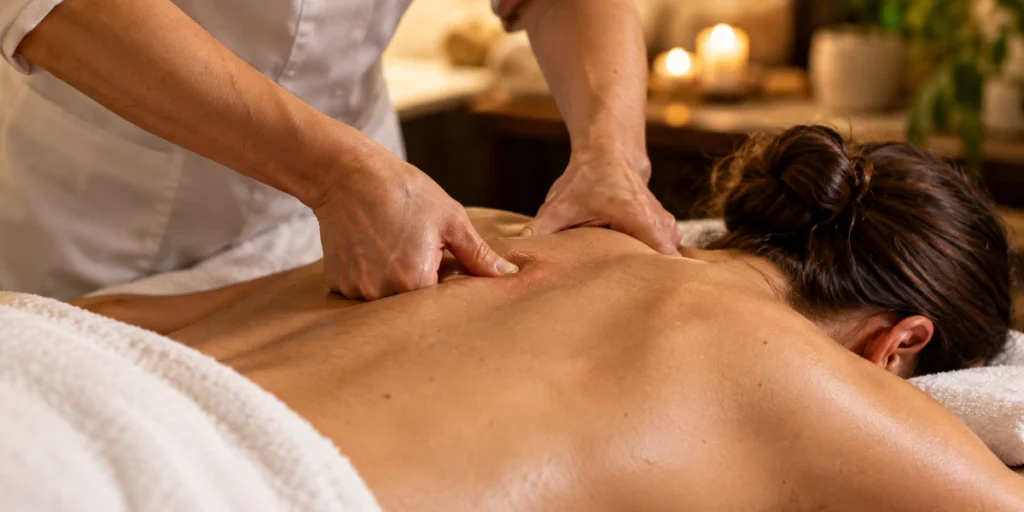
Now and then a spot will feel sharp for a moment, then soften. That’s fine if it stays bearable. For a deeper look at the service itself, see our deep tissue massage guide.
Relaxation Massage vs. Deep Tissue Massage: Which Is Better for Your Goals?
No winner here. It depends on your reason for booking and how firm you like it. Use the notes below to sort out relaxation vs deep tissue massage for your own situation.
When Relaxation Massage May Be a Better Fit
Go this route if you mostly need a breather, like after a rough week at work or on an afternoon you finally have to yourself. Relaxation is also a low-stress first massage, since nothing about it gets intense. And if you don’t like firm pressure, there’s no reason to push yourself into it.
When Deep Tissue Massage May Be a Better Fit
Try deep tissue if you like firm hands, and you can put a finger right on the problem. Think a neck that locks up after a day at the laptop, or shoulders that live somewhere near your earlobes. Still, sore muscles don’t automatically call for deep tissue. Gentler work helps with tension too. And if something has hurt for weeks, see your doctor before you see us.
What If You Want Both Relaxation and Focused Work?
Honestly, you might not need to choose. Some spas will mix the two, keeping most of the hour soft and easy while working harder on one or two trouble areas. You’ll sometimes hear that called a relaxing deep tissue massage. Here, you set your pressure at the start, and if an area feels too tender, your therapist will back off there. Tell them where you want the extra work and where you’d like it kept soft.
Is Relaxation Massage the Same as Swedish Massage?
Not always, though they’re closely linked. Plenty of relaxation massages use Swedish-style strokes, and some spas use the two names for the same service. Others don’t. You’ll also see menus that say therapeutic or Swedish massage, which can mean slightly different things depending on where you go. If you want that specific comparison, our Swedish vs. deep tissue article covers it in full. And if you’re curious about the term “therapeutic,” we explain it in our piece on therapeutic and deep tissue massage.
Does Deep Tissue Massage Need to Feel Painful?
No. Expect it to feel stronger than a relaxation massage, but you shouldn’t end up gripping the table. WebMD admits deep tissue may not be as relaxing as other styles, and its advice is simple: say something if you’re uncomfortable. Holding your breath or balling up your fists? That’s your cue to ask for lighter pressure.
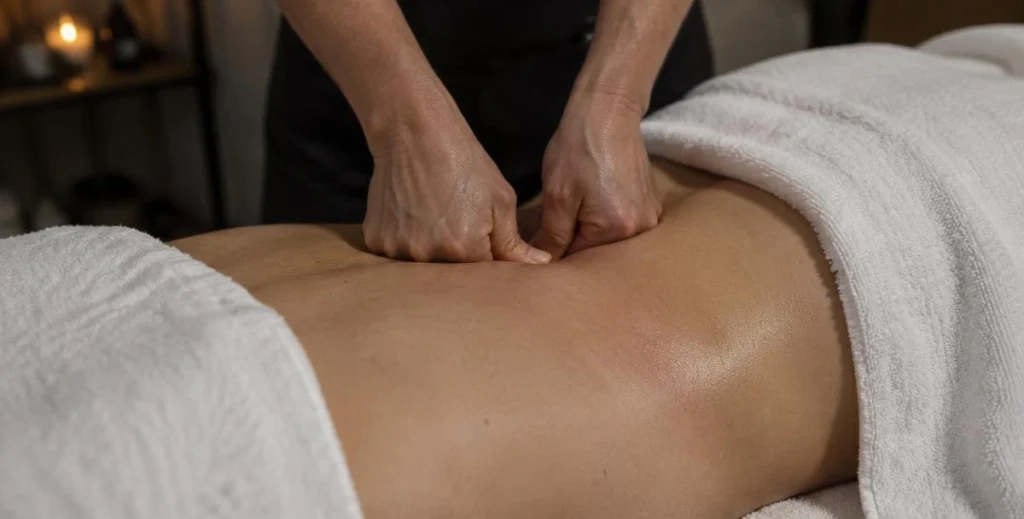
Firmer doesn’t equal better, and waking up sore isn’t a sign the massage worked. Healthline notes that some soreness for a few days can happen, but it isn’t the goal. Our post on whether deep tissue massage hurts goes into more detail.
What Should You Tell Your Massage Therapist Before a Session?
Spend two minutes talking before you get on the table. It helps more than you’d think, since your therapist only knows what you tell them. Here’s what’s worth mentioning before the session begins:
- Your main reason for booking
- Areas you want worked on
- Your preferred pressure
- How you’ve reacted to past massages
- Injuries or health conditions
- Areas you don’t want touched
Here mostly to relax? Say that, even if one shoulder is a bit tight. Mention it if an earlier massage left you bruised or sore for days. According to WebMD, things like blood clots, fractures and pregnancy mean you should check with a doctor before deep tissue work. And if your feet are ticklish or your scalp is off-limits, that’s worth saying as well.
How Do You Choose the Right Massage at Spa Restoration Center?
Don’t worry about memorizing massage names before you visit. Our massage services are set up so you choose by pressure instead. Book the Body Restoration Massage for 60 or 90 minutes, then tell us light, moderate, or deep during the quick chat at the start. Here to unwind? Ask for light or moderate and let us know you’re there to relax.
Want firmer work on your back, neck, or shoulders? Choose deep pressure and point out the spots that bother you. Our 30-minute back massage is another option if that’s the only area you want worked on.
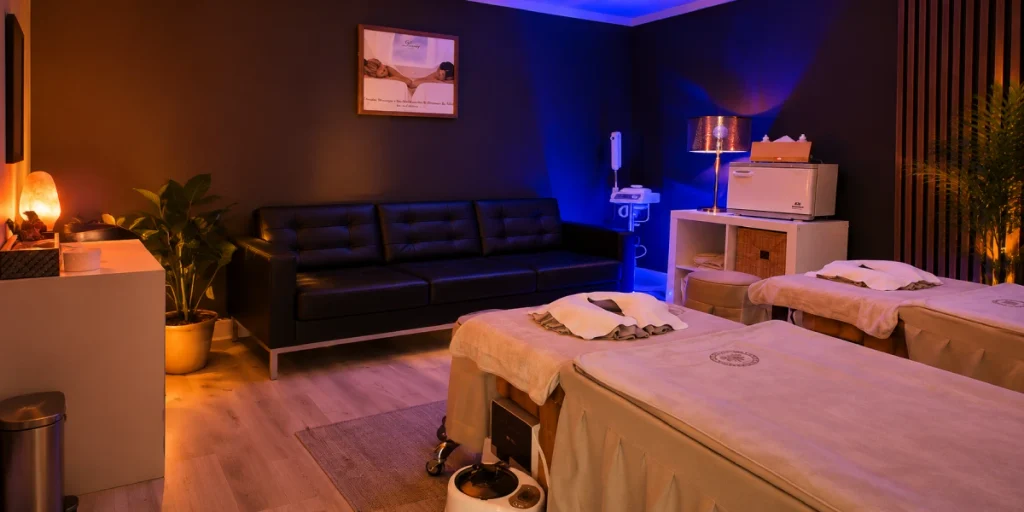
Not sure? No problem. Tell your therapist what you’d like to walk out feeling, and they’ll plan the hour from there. Results vary from person to person, so we won’t promise any, but the pressure and focus will match your request.
Frequently Asked Questions
Is Deep Tissue Massage Different From a Regular Massage?
Pretty much. People who look up deep tissue massage vs regular massage are usually comparing it to a lighter, head-to-toe session. Deep tissue is the firmer one that hangs out longer in a few places.
Which Massage Is Better If I Want to Relax?
Go with relaxation. For pure downtime, relaxing vs deep tissue massage isn’t much of a contest, since one keeps things soft and slow from the first minute to the last. Some folks do find firm pressure soothing, though, so trust your own preference.
Can Deep Tissue Massage Be Gentle?
Yes, more than people expect. The pressure can come down whenever you ask, and the work still stays on specific areas. Ask for the pressure that feels right.
Which Massage Should I Book for My First Time?
A relaxation massage is an easy place to start, since you’ll find out what pressure you like without any intense moments. You can always try deeper work next time.
Will I Be Sore After a Deep Tissue Massage?
You might be, for a day or two. Some soreness lasting a few days is normal, per Healthline. WebMD recommends drinking water, stretching lightly, and adding some heat. Sharp pain, or pain that hangs on much longer, is a reason to call your doctor.
Who Should Avoid Deep Tissue Massage?
Talk to your doctor before booking if you’ve had blood clots, take blood thinners, are pregnant, or have a heart condition, WebMD says. In those cases, a lighter massage could be the safer choice.
Final Thoughts
Bottom line on deep tissue vs relaxation massage: it’s about focus. Relaxation is a calm, comfortable hour that covers you from head to toe. Deep tissue is firmer and aimed at the spots that feel tight. Neither one is the “right” massage for everyone. Your pick depends on the reason you’re booking and the kind of pressure you actually like. If you’re torn between the two, book a Body Restoration Massage, tell us what you’re after, and pick your pressure. Our Arlington team will happily take it from there.
Ready to book? Visit Spa Restoration Center and choose the massage and pressure that fit you.