Can foot massage help plantar fasciitis? Gentle foot massages may help to ease discomfort and reduce tightness in the foot. However, a foot massage for plantar fasciitis will not treat all causes of heel pain, and the effects vary between individuals. It typically only offers short-term relief.
In this article, we look at plantar fasciitis in more detail, explore whether foot massages can help, and explain when to try a foot massage and when to consult a medical professional.
What Is Plantar Fasciitis?
The plantar fascia is a band of connective tissue along the bottom of your foot. It connects the heel bone to the base of your toes and supports the arch. When the plantar fascia becomes irritated or inflamed, this is called plantar fasciitis. According to Mayo Clinic, it is one of the most common causes of heel pain.
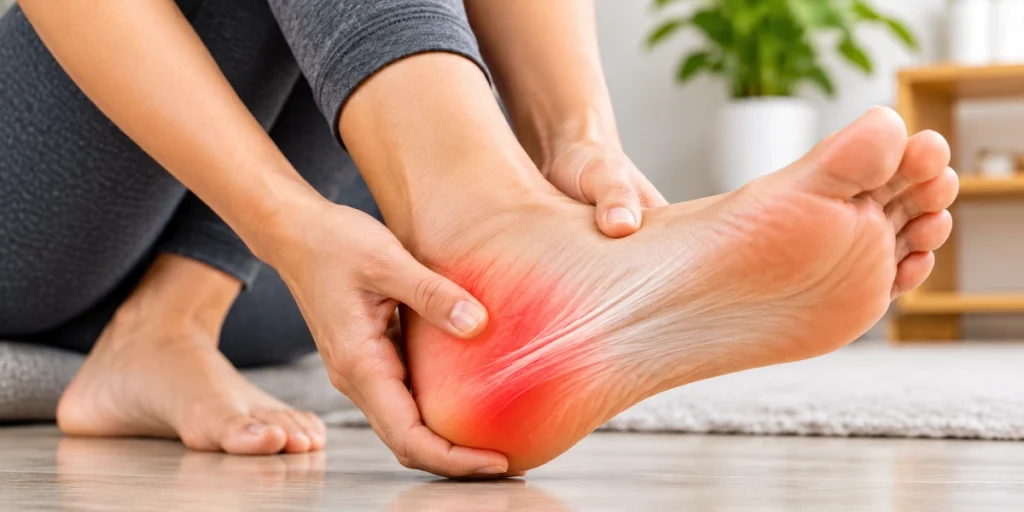
Pain from plantar fasciitis is typically felt on the bottom of the foot, near the heel. It is usually felt most in the first few steps in the morning, and it can return after long periods of standing or after getting up from sitting. It typically eases after a few minutes of movement.
However, heel pain can be caused by a number of conditions. As described by the American Academy of Orthopaedic Surgeons (AAOS), the pain may be due to issues with the Achilles tendon, a stress fracture in the heel bone, or a trapped nerve.
Therefore, if you are experiencing heel pain, it is a good idea to see a doctor or podiatrist to confirm the cause. This helps you decide whether a foot massage for heel pain is appropriate for you.
Does Foot Massage Help Plantar Fasciitis?
Are foot massages good for plantar fasciitis? Yes, a foot massage can provide short-term relief for some people with plantar fasciitis. Gentle pressure and slow stroking can reduce tightness in the foot. Many people also find a foot massage relaxing after being on their feet for a long time.
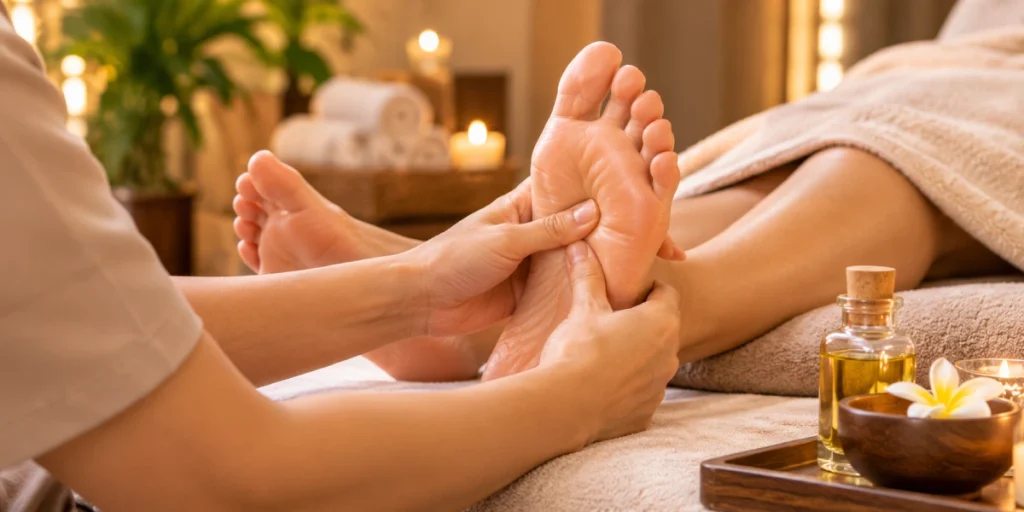
Research shows that manual therapy, typically carried out by a physical therapist alongside stretching and strengthening exercises, may improve foot function and reduce pain. However, the seven trials in this systematic review used different methods, so the authors could not confirm which method was most effective. Therefore, although the research on foot massage and plantar fasciitis looks promising, it is still limited.
Does a foot massage help plantar fasciitis heal? There is currently no good evidence that foot massages resolve plantar fasciitis or reduce inflammation in the plantar fascia. Instead, a foot massage for plantar fasciitis should be seen as just a small part of a wider treatment plan. This may include stretching, changing activity levels, and wearing supportive footwear.
How to Massage Your Foot for Plantar Fasciitis
If your doctor or physical therapist has advised that it is safe for you to give yourself a foot massage, then it should be gentle. If you are searching for how to massage foot for plantar fasciitis, the method below is a safe place to start.
Understanding the foot massage pressure points can also help you identify sensitive areas and adjust your pressure accordingly. Make sure you are in a comfortable position and can easily reach your foot.
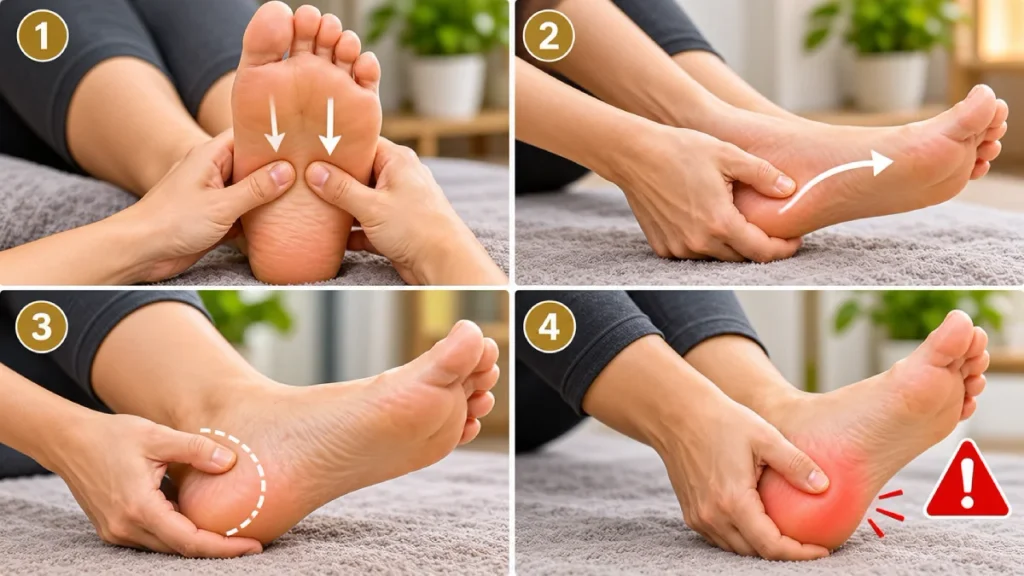
Start With Gentle Pressure
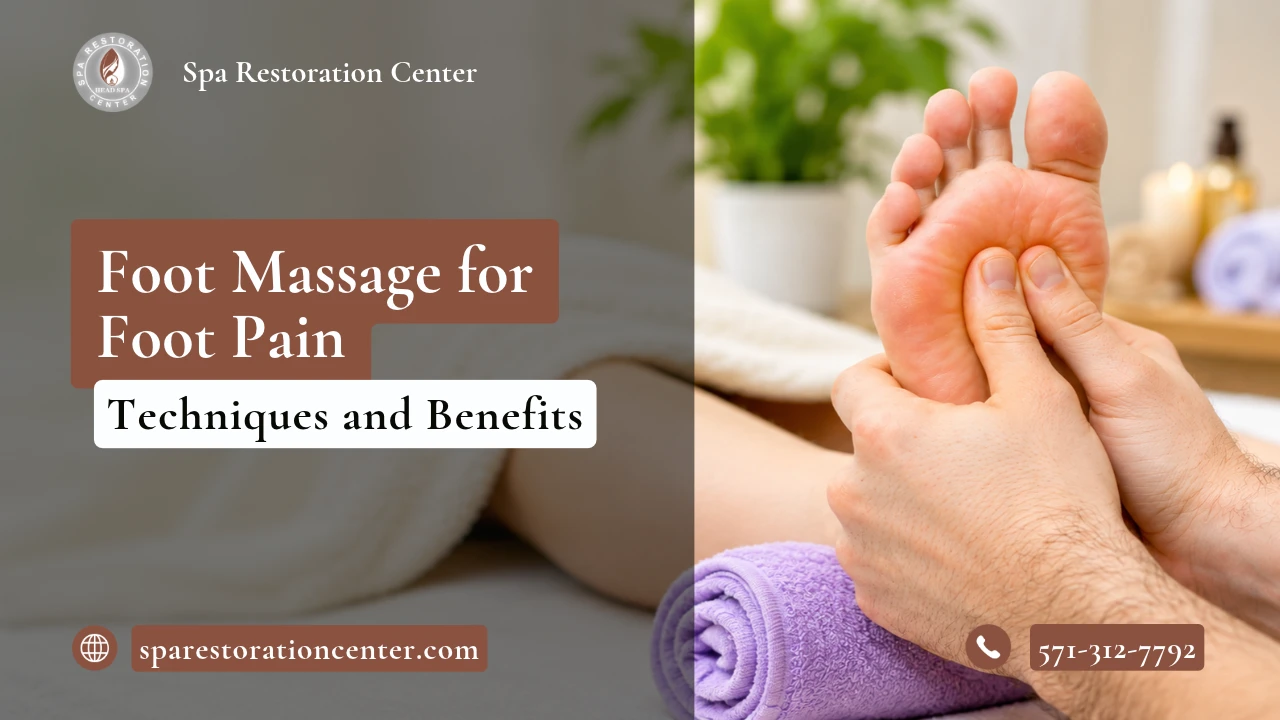
Using your palms or thumbs, apply gentle pressure to the bottom of the foot. It should not hurt. If it does, reduce the pressure. A plantar fasciitis foot massage should never cause sharp or increasing pain.
Massage the Arch Carefully
During a foot massage, plantar fascia tissue lies just beneath your thumbs. Gently stroke from heel to toe. A foot massage for plantar fascia tightness works best with long, gentle strokes. If there is a particularly sensitive area, try to gently move around it. Do not apply firm pressure directly on the sensitive area.
Work Around the Heel Without Pressing Aggressively
As the heel is usually very sensitive with plantar fasciitis, gently massage around the sides and back of the heel using your fingertips. Avoid applying firm pressure directly onto the painful area, as this can make it more sensitive. Should you massage the heel or the arch? Generally, the arch can take slightly more pressure than the heel, so keep your touch on the heel very light.
Stop if Symptoms Worsen
If you experience increased pain, numbness, tingling, or bruising during the massage, stop and check with a healthcare provider. There is no specific recommended duration for foot massages. However, keep the massage short enough to stay comfortable, and stop earlier if your foot starts to feel tender.
Which Foot Massage Techniques Are Appropriate?
There is no single best foot massage for plantar fasciitis, because different people respond differently to different types of massage. Try the following gentle methods:
- Gentle massage with hands
Massaging the bottom of your foot with your palms is a simple method. It lets you find sensitive areas and change the pressure quickly.
- Gentle circular motions
Using small circular motions with your fingertips on the edges of the heel can be effective. Avoid applying firm pressure in this area, as it may cause pain.
- Gentle strokes on the arch
Long, gentle strokes with your thumbs along your arch can help relieve tightness. Avoid short, firm strokes. These techniques can also be adapted into a simple foot massage at home routine, provided the pressure remains comfortable.
Tight calf muscles are also commonly considered when managing plantar fasciitis. As outlined in American Family Physician, in a summary of a guideline from the American Physical Therapy Association, soft tissue massage to the calf by a clinician can improve pain and mobility for up to 6 weeks.
You can find more general movements in our article on foot massage techniques. However, remember to be gentle on a painful heel.
Should You Use Deep Tissue Massage or a Foot Roller?
Applying more pressure is not automatically better. A deep tissue foot massage for plantar fasciitis may feel uncomfortable on a sore heel, and firm pressure on the painful area may leave it more sensitive the following day. If you want firmer pressure, it is safest to see a physical therapist or trained massage therapist who can check that it is appropriate for your foot.
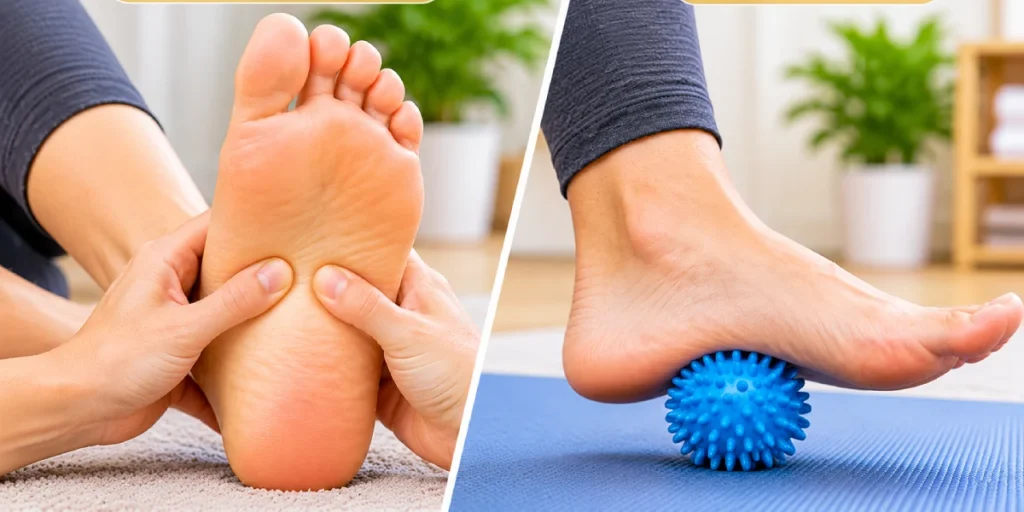
Some people find it helpful to gently roll the arch of their foot over a massage ball or roller. The AAOS also suggests rolling the foot over a bottle filled with cold water or ice. Whatever you use, be gentle with the pressure, sit down so you have more control over how much weight you put on it, and stop if it makes your symptoms worse. You don’t need any special tool for a foot massage to be helpful.
What Else Can Help Manage Plantar Fasciitis?
Foot massage can form part of a wider management plan. Other methods that doctors and physical therapists will typically suggest include:
- Stretching
Low- to moderate-quality evidence suggests that stretching the calf muscles and plantar fascia can help with plantar fasciitis. Stretching and massage are different. Stretching aims to lengthen the tissue, whereas massage applies pressure to it.
- Wearing supportive footwear
Mayo Clinic recommends shoes with good arch support, thick soles, and plenty of cushioning, and advises avoiding flat shoes.
- Changing activity
If possible, swap high-impact exercise such as running for low-impact exercise such as swimming or cycling.
- Seeking professional advice
A physical therapist can examine your foot and design a program of stretches and strengthening exercises to suit you.
Most people improve with simple management. According to the AAOS, over 90% of people with plantar fasciitis improve within 10 months of starting simple treatment. However, if your symptoms persist or are affecting your daily life, they should be assessed.
If you prefer massaging your feet in the evening, understanding the benefits of foot massage before bed may help you make it part of a relaxing bedtime routine.
When Should You Avoid Foot Massage?
If the pain is severe, or the cause is unclear, a foot massage should be avoided. You should also avoid foot massage if there is significant swelling, redness, warmth, a recent injury, an open wound, or decreased sensation in the foot. These symptoms may point to a problem that needs medical attention, which a foot massage could make worse or hide.
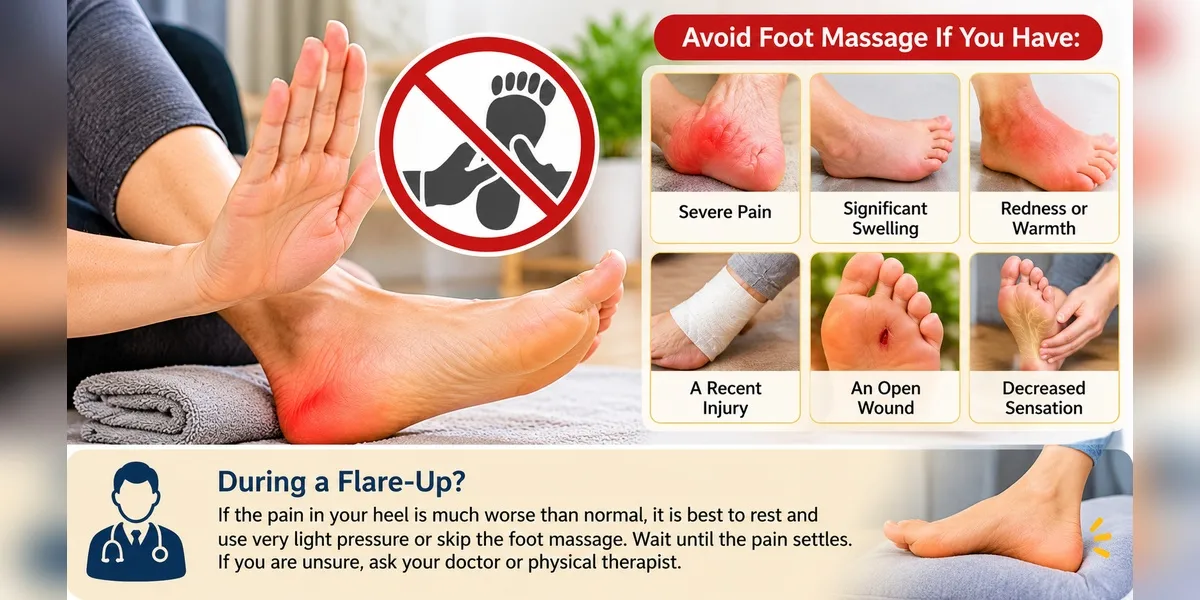
Can a foot massage help plantar fasciitis during a flare-up? If the pain in your heel is much worse than normal, it is best to rest and either use very light pressure or skip the foot massage. Wait until the pain has settled as much as possible. If you are unsure, ask your doctor or physical therapist.
Frequently Asked Questions
Below are short answers to a few more common questions that most people have about the effects of foot massage for plantar fasciitis.
Is Foot Massage Good for Plantar Fasciitis?
A foot massage can be helpful for short-term relief. However, it is not a cure for plantar fasciitis. It works best as part of a management plan, alongside stretching, wearing supportive footwear, and seeking professional advice.
Do Foot Massages Help Plantar Fasciitis More Than Stretching?
No. There is more research behind stretching the calf muscles and plantar fascia, although foot massage may provide some short-term relief. Many people combine both.
Does Foot Massage Help With Plantar Fasciitis Pain in the Morning?
A gentle foot massage before you get out of bed may help to loosen the foot slightly. Because the tissue can be quite stiff after a long period of rest, keep the pressure very light.
Is Massage Enough to Treat Plantar Fasciitis?
No. Will foot massage help plantar fasciitis resolve on its own? It is unlikely. Most people need a combination of treatments, and some need help from a doctor or physical therapist.
When Should You See a Doctor for Heel Pain?
You should see a doctor if you have severe pain, pain after an injury, swelling, numbness, or tingling, or if your symptoms do not improve with simple treatments. Mayo Clinic notes that other treatments may be considered if symptoms have not improved after several months.
Can I Have a Professional Foot Massage if I Have Plantar Fasciitis?
Typically yes, with permission from your doctor. At Spa Restoration Center, we aim to keep foot massages for plantar fasciitis gentle and relaxing. Please make sure to tell your therapist about your heel pain, so they can avoid painful areas and adjust the pressure.
Is Foot Massage Worth Trying for Plantar Fasciitis?
For many people, yes. So, is a foot massage good for plantar fasciitis? A gentle foot massage for plantar fasciitis may help to reduce tightness and improve comfort in the foot. However, it will not cure plantar fasciitis. It is best combined with stretching, wearing supportive footwear, and seeking professional advice. If your heel pain is persistent, getting worse, or affecting your daily life, you should have it assessed. And if you would like a calm, gentle foot massage, our team at Spa Restoration Center would be happy to help.
Book a gentle foot massage at Spa Restoration Center in Arlington.