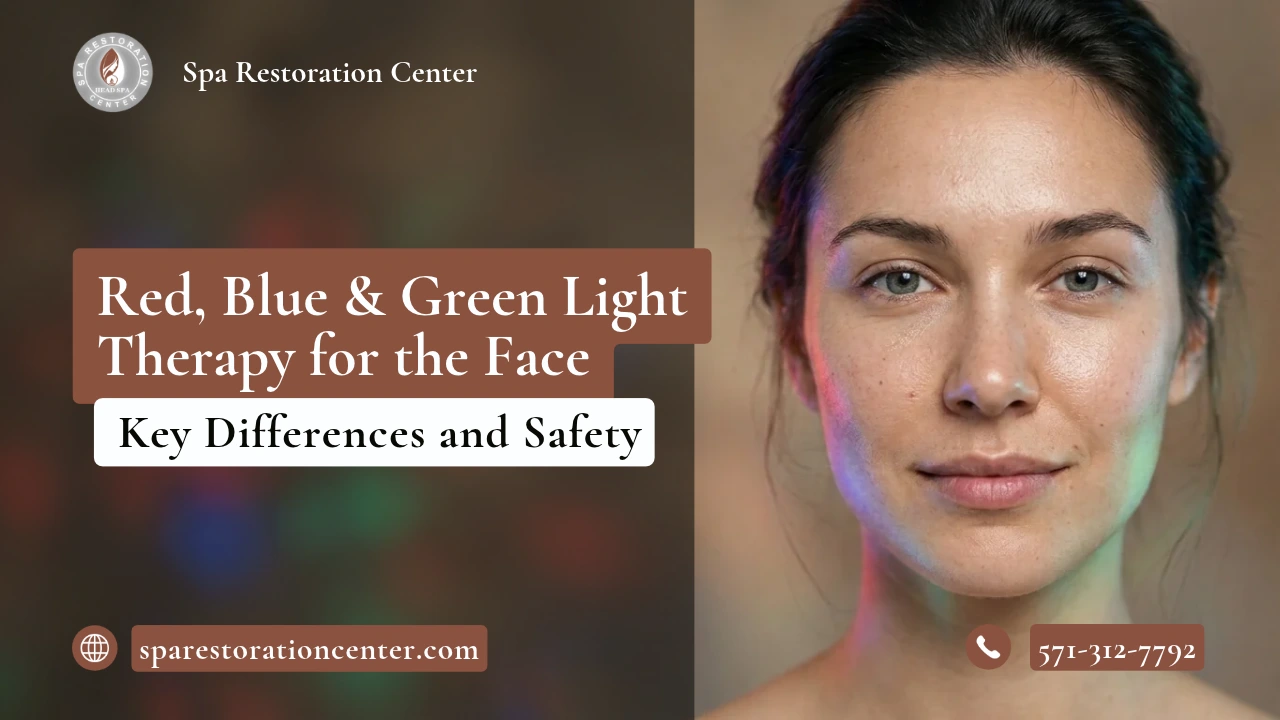
Depending on the color of light therapy you choose, there are different actions within light therapy. The wavelength, the machine, and the intention of the treatment will also affect the outcome. When choosing between red light vs blue light therapy, or considering green light therapy, it helps to keep those factors in mind.
Below is some information on what effects you can expect from red, blue, and green light therapy on the skin. Red, blue, and green light therapies can be quite different from one another. There is no “best” light color to use, and the best option will depend on what you want to achieve.
Face Light Therapies
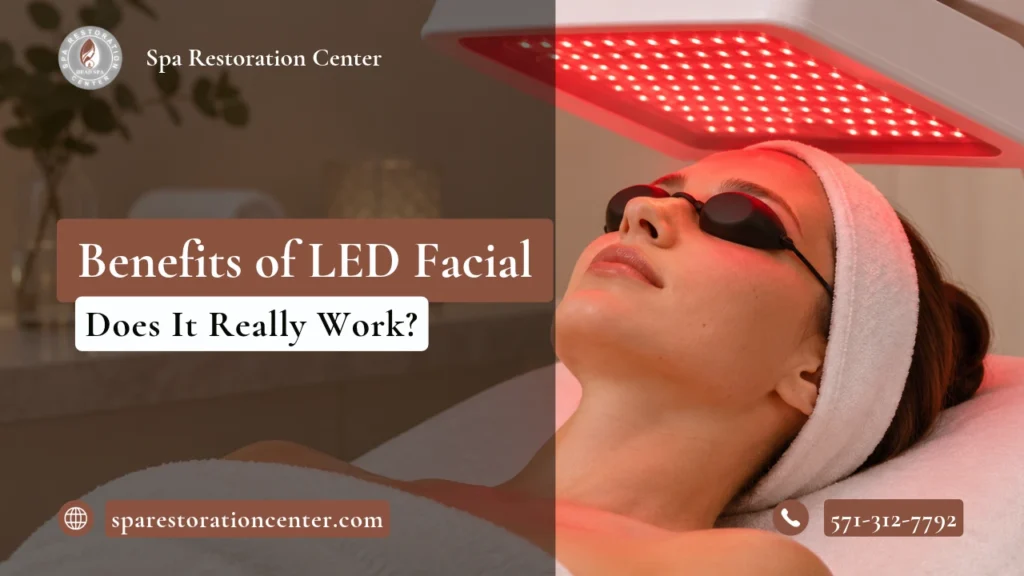
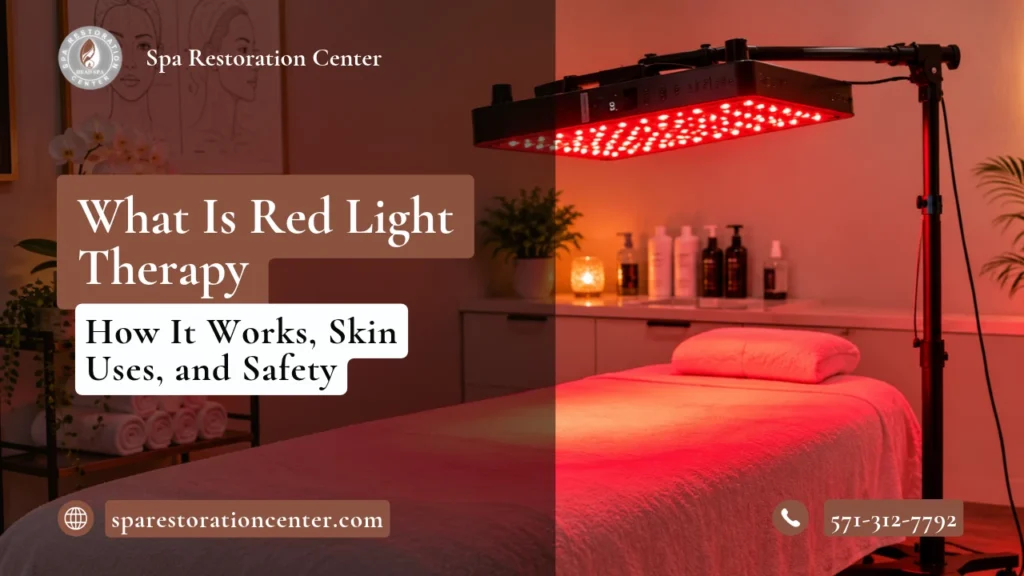
LED refers to a light-emitting diode. In light therapy machines, different colors of light correspond to different wavelengths, so different color light therapy for face treatments really means different wavelengths. On the face, the most common face light therapy colors are red, blue, and green.
Despite color giving a quick reference to the type of light therapy being used, the effect depends on intensity, time, and method of treatment, so different machines with the same name may produce different effects. These visible-light treatments, part of the visible light spectrum, are very different from UV light and lasers.
For general information on how light can influence cells in the skin, sometimes called photobiomodulation, a general red light therapy guide is more useful.
Difference Between Treatments
Red, blue, and green light therapy for the face have very different uses. The table below summarizes them. The difference in effect among the facial light therapy colors comes mainly from the wavelengths, and the core of red light vs blue light for face treatments is the depth of penetration within the skin.
| Light color | Use on skin | Evidence level | Notes |
|---|---|---|---|
| Red | Improving signs of aging in skin | Varies, depending on machine, wavelengths, and protocol | No guarantee to reduce fine lines and wrinkles, lift skin, or rejuvenate skin |
| Blue | Treating inflammatory acne spots | Does not work for all types of acne | Does not work for blackheads, whiteheads, cysts, or nodules |
| Green | Emerging research into pigmentation | Low evidence, dependent on protocol | No guarantee to remove dark spots, lighten skin, or even out pigmentation |
What Can Red Light Therapy Do?
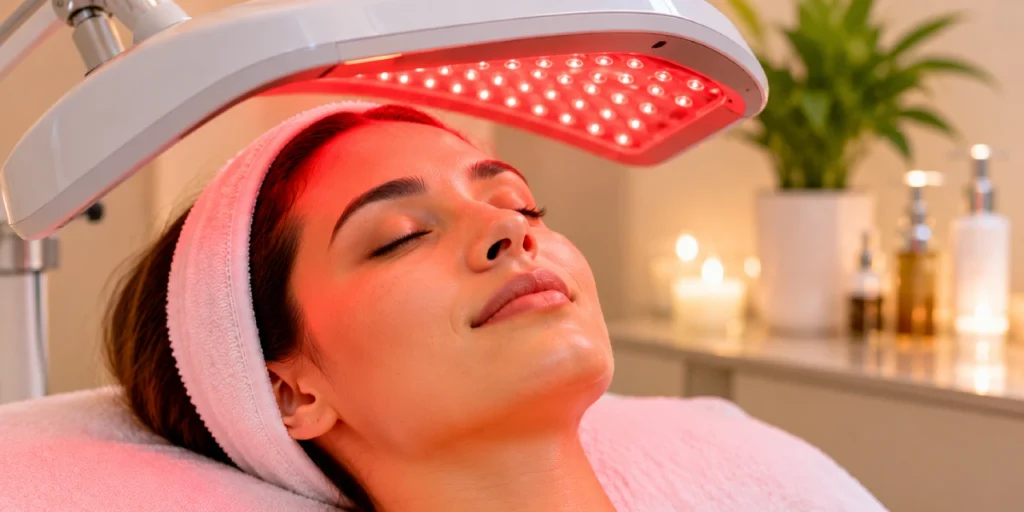
Red light therapy is the one most people ask about, usually for aging skin. Red LED, and sometimes near-infrared, reaches deeper into the skin than blue light, and that depth is the reason it gets studied for collagen and skin rejuvenation. Here is what red light therapy may help with, and where the evidence is still thin.
Improving Signs of Aging in Skin
Red LED light (and sometimes near-infrared) can be used to rejuvenate skin and reduce signs of skin aging. As Baylor College of Medicine notes, red light therapy “can soften wrinkles and fine lines.” Results may vary, though.
Depending on the machine, wavelength, and protocol, a red LED facial may or may not stimulate collagen production, so reducing signs of aging cannot be guaranteed. Cutting down fine lines and wrinkles is still under investigation.
Improving General Skin Concerns
Red light can also target general skin concerns, though results vary from person to person, and you may not see the same results as in studies. If you want to know more about specific issues such as fine lines, dark spots, and scarring, a dedicated article is the better place for it. In summary, red light therapy is most associated with reducing signs of aging, but results are limited and may vary.
What Can Blue Light Therapy Do?
Blue LED light can be used to treat acne, with a specific effect on inflamed pimples. As Baylor College of Medicine puts it, “blue light helps treat surface-level acne,” so blue light therapy facial sessions may be suggested for a breakout.
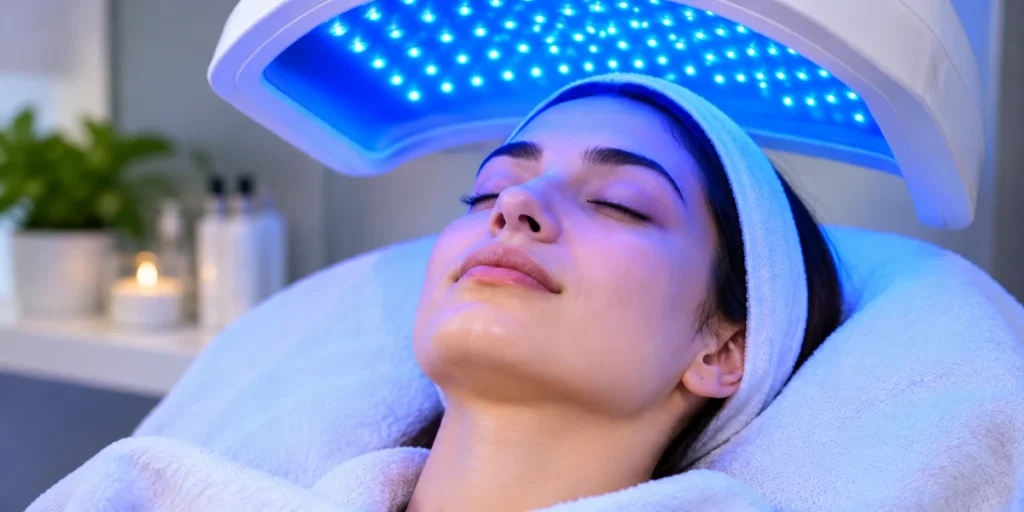
If you are wondering what color light therapy for acne works best, blue light is typically recommended. There are a few things to note, though:
- There are many different types of acne, and inflammatory acne lesions are not the same as blocked pores
- As the American Academy of Dermatology states, visible light “is not effective against blackheads, whiteheads, acne cysts, or nodules” and “can only treat pimples”
- If you are concerned about acne in general, speak to a dermatologist for medical treatment. A spa facial should not be the only treatment
- Results can vary by device, protocol, and individual
It may not be suitable for all types of acne. For more information on light therapy for acne, please refer to our guide to LED light therapy for acne and scarring.
Green Light Therapy
Green light therapy should be approached with caution. As a review on how skin responds to different wavelengths notes, “the study of green light is rarely reported compared to other wavelengths of visible light,” so more research is needed to understand its effect on biology. Although green light is occasionally referenced in relation to pigmentation and skin tone, this is not evidence.
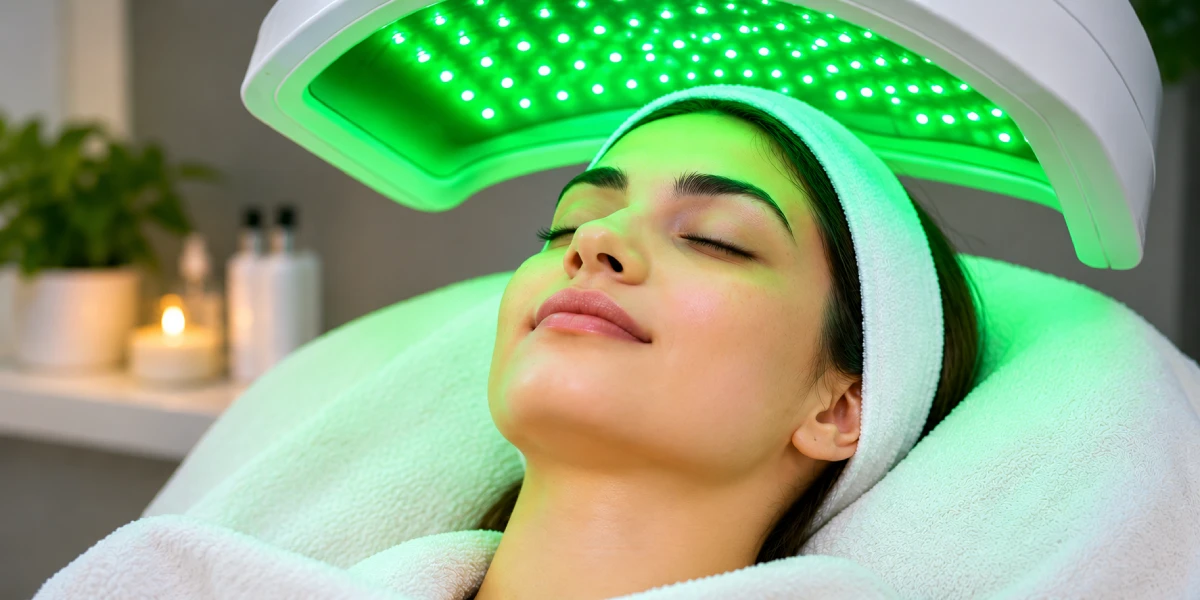
Currently, green LED light therapy is in the early stages of research. It cannot be guaranteed that dark spots, melasma, and pigmentation issues will improve in all cases. Claims about what green LED light therapy may do for particular aspects of your skin, depending on the machine’s wavelengths and settings, should be taken from the confirmed equipment details provided at the clinic.
Red and Blue Light Therapy Combination
Some acne treatments combine red and blue light therapy. Blue light targets superficial acne spots while red light has a soothing effect that improves appearance. Depending on the equipment, protocol, and skin issue, using multiple colors may or may not be suitable. It is best to let a trained professional decide which colors, individually or combined, will suit you best.
Best Light Therapies for Particular Skin Concerns
To work out the best light therapy for you, consider the following. Start with why you want the treatment:
- What skin issue do you want to improve: acne, signs of aging, or pigmentation?
- Is this a cosmetic concern, or should a diagnosis be made first?
- What type of LED machine is being used, and for what purpose?
- What realistic expectations and precautions apply to your skin?
Depending on the skin issue you are targeting, whether acne, visible signs of aging, or pigmentation, different advice may apply. It is best to get advice from a professional, and for any specific issue, no single color of light therapy should be recommended without enough evidence and information about the machine.
Expected Outcomes
Outcomes may differ depending on the device used. As a review of light therapies notes, “the efficient effects of LEDs depend on a sensitive balance,” which means different devices may give varying effects. To get good results, regular and thorough treatments may be needed. As Baylor College of Medicine notes, “to see benefits and good results, being consistent and diligent is key.” Usually, several sessions are needed to get a full picture of the effects.
Be mindful of results, too. Seeing a difference between before-and-after pictures does not necessarily mean the light therapy caused it, since many things can affect how skin appears in photos, such as lighting, angle, new products, and the time between images. Keep your realistic treatment expectations in mind, and if a concern persists, consult a professional.
Safety
On the whole, visible-light therapies are considered reasonably safe in the short term. That depends on the individual and the machine, though, so consider the following.
- Follow the instructions, since device specifications and settings vary between machines
- Wear eye protection if required; the American Academy of Dermatology advises proper goggles rather than sunglasses
- If you have a condition such as lupus, or take medication that increases photosensitivity, consult a professional first
- Flashing bright lights may not suit everyone; Baylor College of Medicine notes LED therapy “is not for those with epilepsy”
- For long-lasting pigmentation, acne, or other skin issues, it is best to consult a professional
On pigment and tone: as the American Academy of Dermatology notes, people with darker skin tones may be more sensitive to visible light, which can cause hyperpigmentation or uneven skin tone in some people.
This does not make visible-light therapy off-limits for darker complexions, but it is worth raising with a professional and asking for a patch test. No honest professional will claim a particular light color suits every skin tone.
Choosing a Professional Light Therapy Facial
Before getting a Light Therapy Treatment, consider the following:
- What colors of light therapy can be delivered?
- What is the treatment targeting?
- Can the practitioner tell you about the equipment and protocol?
- What are the realistic expectations and precautions?
- Is the treatment suitable for your issue?
A Light Therapy Facial is one example of a professional facial treatment. We offer a range of facial treatments, including light therapy. To book in your local area, see our facial treatments in Arlington. It is important to make sure this treatment is appropriate for your skin type.
Frequently Asked Questions
Quick answers to common questions are below. See the sections above for detailed answers.
What is the difference between red and blue light therapy?
Red light penetrates deeper than blue. Red light therapy has been researched for improving the appearance of aged skin, while blue light has little penetration and is used for specific inflammatory acne breakouts. They target different issues, and neither is guaranteed to have an effect.
What can red, blue, and green light therapies do?
Red light therapy has been researched for aged skin, blue for inflammatory acne, and green is under investigation for pigmentation. Each has different uses and levels of evidence.
Can red and blue light therapies be used together?
In some acne treatments, red and blue light therapy can be combined. Whether it suits you depends on the machine and protocol.
What color light therapy is used for acne?
Blue light therapy is typically used for inflamed pimples. It cannot clear blackheads, whiteheads, cysts, or nodules. See our LED light therapy for acne and scarring guide for more.
What is the difference between red and blue light therapy for the face?
Red light therapy targets signs of aging and penetrates deeper, while blue light targets surface acne. Which is best depends on your issue and a professional’s recommendation.
What is blue light therapy facial?
It is a facial that uses blue visible light, typically for surface-level inflammatory acne. It is just one option.
How does green light therapy work on skin?
Green light therapy has very little research behind it. It is being investigated for pigmentation, but the evidence is limited, and more research is needed, so it should not be promoted as a proven treatment.
Is green light therapy better than red light therapy?
It depends on what you need. Green and red light have different proposed uses: red for signs of aging, green for skin-tone research. So it comes down to your needs.
Can LED light therapy treat all acne?
No. Visible-light therapy may help with some types of pimples, but it cannot address every lesion and should not replace medical treatment.
Is LED light therapy on the face suitable for all skin tones?
No. People with darker skin tones may be more sensitive to visible light and more likely to see changes in pigmentation, so individual advice and a patch test are a good idea.
How do I choose the best light color for a professional facial?
Consider the issue you want to target and the options the machine offers. The best color for you depends on your skin issue.
Will using multiple light colors produce better results?
Not necessarily. Good results depend on whether the light settings suit your skin issue, the machine, and the protocol.
Conclusion
Each light, whether red, blue, or green, has different applications and levels of evidence. Red light is most related to improving aged skin, blue light is recommended for certain types of acne, and green light has the least evidence. The wavelength of light, the machine, and the treatment method are also important factors. Results will vary between individuals. If you are interested in a professional treatment, we offer a light therapy facial. We offer a variety of facial treatments, and we can advise you on which setting would best suit your skin.