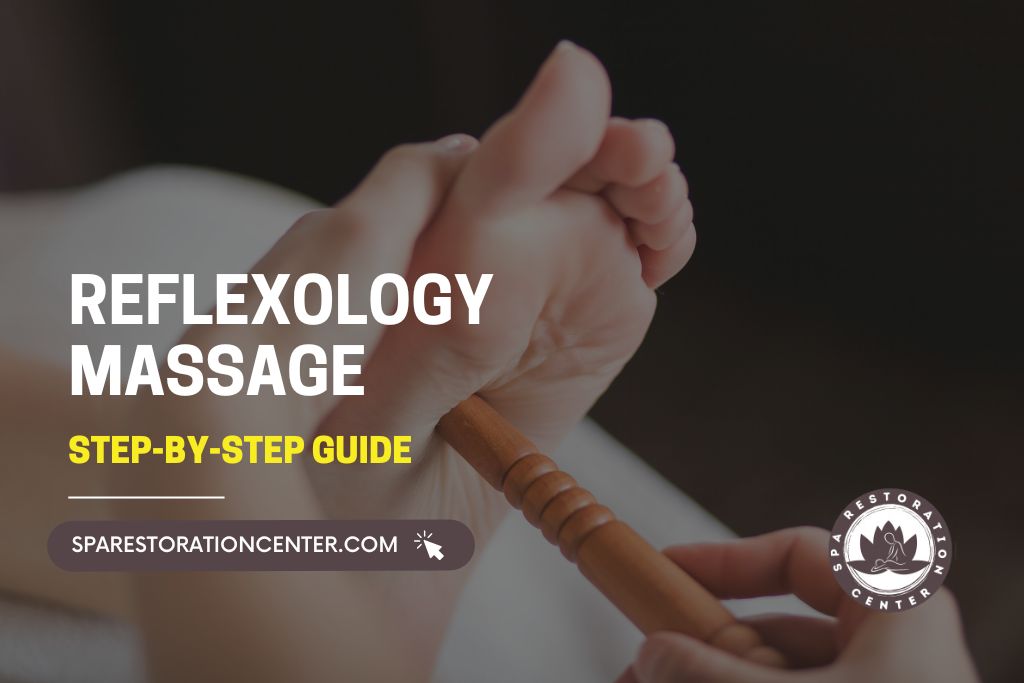
What is Reflexology Massage?
Reflexology massage is a therapeutic practice with ancient roots. It targets specific points on the feet, hands, and ears, which are believed to correspond to different internal systems of the body. This technique is based on the idea that applying pressure to these points can support the body’s natural healing processes and restore balance.
- Focuses on specific reflex points on the feet, hands, and ears
- Aims to restore balance in the body
- Promotes the body’s natural healing abilities
As a holistic health practice, reflexology is commonly used to reduce stress and improve overall well-being. Understanding how it works can offer new ways to enhance relaxation and support physical health.

What is Reflexology Massage?
Reflexology therapy is based on the idea that the body has a network of energy pathways. When pressure is applied to specific reflex points, it is believed to help clear blockages in these pathways. This allows energy to flow freely throughout the body.
The reflex points used in reflexology are similar to acupressure points. These points are thought to affect the health of related body parts. By stimulating these areas, reflexology helps improve circulation, which brings more oxygen and nutrients to cells. It also aids in removing toxins from the body.
This focused approach helps restore balance and promotes better overall body function. Through regular treatment, reflexology may support physical health and well-being.
How Does Reflexology Therapy Work?
Reflexology therapy operates on the principle that the body has an intricate network of energy pathways. By applying pressure to specific reflexology points, a practitioner can help clear blockages in these pathways.
This process allows energy to flow freely throughout the body. These pressure points are similar to acupressure points and are thought to influence the health of corresponding body parts. Stimulating them helps improve circulation, which delivers more oxygen and nutrients to cells and aids in the removal of toxins. This targeted approach helps restore balance and promotes better overall function.
The Mechanism Behind Reflexology
Reflexology works by applying pressure to specific points on the feet, hands, or ears. These points are thought to be connected to different parts of the body. The idea is that pressing on these areas can help balance energy, improve circulation, and reduce stress.
Reflex Points and Their Connections
Each reflex point corresponds to a part of the body, like organs or systems. For example, the big toe is linked to the head, while the arch of the foot connects to the digestive system. By pressing on these points, reflexologists believe they can help heal or improve the function of the related body part.
What Are the Benefits of Foot Reflexology?
Foot reflexology is the most common form of this therapy and offers a wide range of benefits. By focusing on the complex network of nerves in the feet, it can have a profound effect on the entire body. It is a powerful tool for promoting physical and mental well-being.
- Reduces stress and anxiety
- Improves blood circulation
- Enhances deep relaxation
- Supports the body’s natural healing processes
- Can help alleviate tension and discomfort
The therapeutic value of foot reflexology lies in its ability to induce a state of calm while actively stimulating the body. This dual action makes it an effective wellness therapy for those seeking relief from the pressures of daily life.
What is Hand Reflexology and How is it Different?
Hand reflexology applies the same principles as foot reflexology but focuses on the reflex points in the hands. While the feet often have more sensitive and powerful reflex points due to their structure, hand reflexology offers its own distinct advantages. It is particularly beneficial for issues related to the upper body, neck, and head.
The primary difference is accessibility. Hand reflexology is incredibly convenient, as it can be performed almost anywhere without the need to remove shoes or socks. This makes it an excellent option for quick stress relief at your desk or while traveling. It provides a practical way to manage tension on the go.
What Are Reflexology Points and Why Are They Important?
Reflexology points are specific spots on the feet, hands, and ears that act as a map of the entire body. Each point is linked to a particular organ, gland, or system. For instance, the tips of the toes might correspond to the head and brain, while the arch of the foot may relate to the digestive organs.
These points are important because they provide a way to interact with the body’s internal functions non-invasively. Applying pressure to them sends signals through the nervous system to the corresponding body parts. This stimulation is central to holistic health treatment, as it helps release tension, improve function, and restore the body’s natural equilibrium. A well-executed reflexology massage targets these points with precision.
Is Reflexology Massage a Holistic Health Treatment?
Yes, reflexology massage is widely considered a holistic health treatment. It treats the body as an interconnected whole mind, body, and spirit rather than just addressing isolated symptoms. The practice is built on natural healing methods that encourage the body to heal itself. By focusing on stress relief techniques, it addresses one of the primary factors that contribute to modern health issues.
As a wellness therapy, it promotes balance and harmony from within. It complements other medical treatments by supporting the body’s overall function and creating a better internal environment for healing. This approach makes it a valuable part of a comprehensive wellness plan.
How to Choose the Right Reflexology Practitioner?
Finding a qualified and skilled practitioner is crucial to experiencing the full benefits of a reflexology massage. The right professional will have the knowledge and expertise to apply pressure correctly and safely, ensuring a therapeutic and relaxing session.
- Check for certifications from accredited reflexology associations.
- Inquire about their level of experience and any specializations.
- Read reviews and testimonials from previous clients.
Professional expertise is not just about technique; it is also about creating a comfortable and trusting environment. A great practitioner will listen to your needs and tailor the session to your specific health goals, making your reflexology massage experience both effective and enjoyable.
Experience Ultimate Relaxation at Spa Restoration Center
Now that you understand the powerful benefits of reflexology, it is time to experience them for yourself. At Spa Restoration Center, our certified practitioners are dedicated to providing a serene and healing experience tailored to your needs.
Book your reflexology massage session today and take the first step toward ultimate relaxation and restored balance.

Frequently asked question
1. Is Reflexology Massage Safe for Everyone?
Reflexology is generally safe for most people. However, there are certain conditions where caution should be exercised. For example, pregnant women, individuals with diabetes, or those with serious health issues like deep vein thrombosis or recent surgeries should consult with a healthcare provider before undergoing reflexology. Always inform your practitioner of any medical conditions before your session.
2. How Long Does a Reflexology Massage Session Typically Last?
A typical reflexology massage session lasts between 30 to 60 minutes. Some people may experience a shorter session for targeted areas, while others may enjoy a full-body treatment. The duration can vary depending on the specific therapy goals and the practitioner’s approach.
3. How Often Should You Get Reflexology Massage?
The frequency of reflexology treatments depends on your individual health goals and the issues you are addressing. Some people benefit from weekly sessions, especially when addressing chronic pain or stress, while others may find bi-weekly or monthly treatments sufficient. It’s best to consult your reflexologist to create a personalized treatment plan.
4. Can Reflexology Massage Help with Specific Health Conditions, Such as Migraines or Digestive Issues?
Reflexology massage may help alleviate certain health conditions, such as headaches, migraines, digestive problems, and sleep disorders, by stimulating the reflex points associated with these issues. While reflexology is not a cure for medical conditions, it can complement other treatments and offer relief from symptoms.
5. What Should I Expect After a Reflexology Massage Session?
After a reflexology session, many people feel deeply relaxed, with reduced stress and improved mood. You might experience increased energy levels or a sense of mental clarity. In some cases, minor side effects such as lightheadedness or increased urination may occur as the body detoxifies. It’s important to drink plenty of water post-treatment to support the body’s natural detox process.
Leave a comment