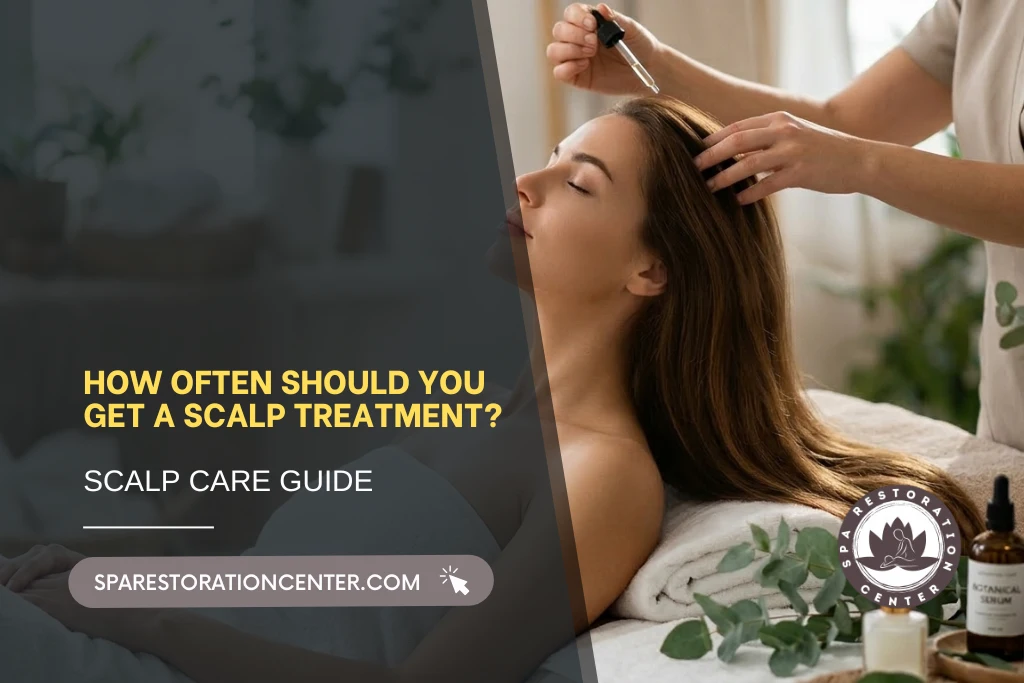
How Often Should You Get a Scalp Treatment?
Scalp treatment frequency is key to healthy hair growth and scalp maintenance. Regular treatments help remove buildup, hydrate the scalp, and promote overall hair health. The right frequency varies depending on your scalp type and individual needs.
Whether you have an oily, dry, or sensitive scalp, understanding how often to schedule treatments can make a significant difference in the health of your hair. Take charge of your scalp health and begin discovering your ideal treatment routine today.
What is a Scalp Treatment?
A scalp treatment is a care routine aimed at enhancing the health of your scalp. It involves steps like cleansing, exfoliating, and hydrating to maintain a balanced scalp environment.
These treatments are designed to eliminate product buildup, clear blocked pores, and regulate oil levels. They can also address specific issues such as dandruff, dryness, or hair thinning through targeted products and techniques.
How Often Should You Get a Scalp Treatment?
The frequency of scalp treatments depends on the condition of your scalp. For a healthy, balanced scalp, treatments every 4 to 6 weeks are generally sufficient. If your scalp is oily, you may need more frequent treatments to manage excess oil and buildup.
For dry or sensitive scalps, less frequent treatments are recommended to avoid irritation. It’s important to listen to your scalp and adjust the treatment frequency based on how it responds.
Scalp Treatment Frequency Based on Scalp Type
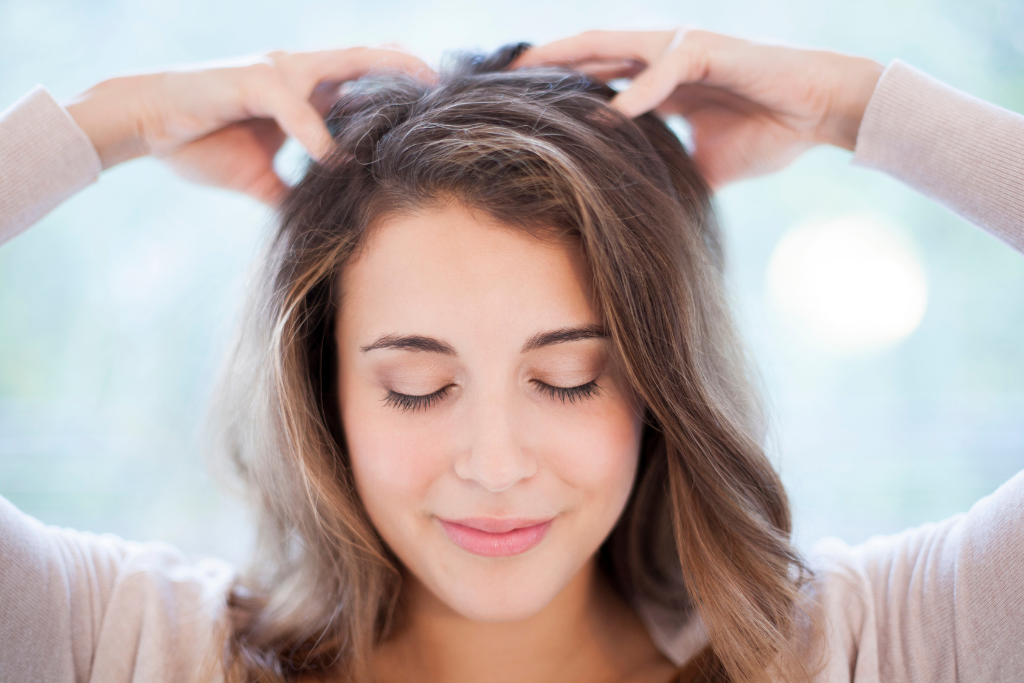
Your scalp type plays a big role in how often you should get a professional scalp treatment. Each type has different needs, so adjusting your treatment schedule is important for maintaining a healthy scalp.
Normal Scalp (Maintenance)
A normal scalp requires maintenance to stay healthy. It doesn’t produce excess oil or become too dry.
- Shampoo twice a week.
- Use a gentle conditioner.
- Apply a scalp treatment monthly.
- Avoid harsh chemicals.
- Protect your scalp from sun damage.
Routine care helps keep your scalp balanced and promotes healthy hair growth.
Oily Scalp / Heavy Product Users
Oily scalps need more frequent cleaning to control excess oil. Heavy product users should clear buildup often.
- Wash hair 3-4 times a week.
- Use oil-controlling shampoo.
- Apply clarifying treatment monthly.
- Avoid overusing styling products.
- Focus on the scalp, not just hair.
Regular cleaning prevents buildup and keeps your scalp refreshed.
Dry, Itchy, or Sensitive Scalp
A dry or sensitive scalp may feel tight or irritated. It’s important to use soothing products.
- Use moisturizing shampoo and conditioner.
- Avoid hot water while washing hair.
- Apply soothing scalp oils.
- Massage scalp to improve circulation.
- Avoid scratching to prevent damage.
Hydration and gentle care help calm and protect your scalp.
Dandruff or Flaky Scalp
Dandruff causes flakes and itching. A targeted treatment can help reduce these issues.
- Use dandruff-specific shampoo.
- Massage scalp with tea tree oil.
- Rinse hair with cool water.
- Avoid scratching or irritating the scalp.
- Keep your scalp clean and moisturized.
Consistency in treatment can help reduce flakes and irritation.
Hair Loss Concerns
Hair loss may be linked to scalp health. Proper care and treatments can help prevent further damage.
- Use gentle, nourishing shampoo.
- Massage scalp to stimulate circulation.
- Apply growth-promoting treatments.
- Avoid harsh styling tools.
- Keep stress levels low.
Focusing on scalp health can slow down hair loss and encourage growth.
How Do You Know If You Are Overdue for a Scalp Detox?
Your scalp gives clear signs when it needs extra care. If your hair feels greasy soon after washing, buildup may be sitting on your scalp. If you notice flakes, itchiness, or a bad smell, that is another warning sign. A scalp detox can help remove product residue, oil, sweat, and dead skin.
You may also feel your scalp looks dull or heavy. Some people notice their roots feel flat, even after a fresh wash. Others feel soreness or mild irritation when touching the scalp. These signs often mean your scalp needs a deeper reset.
Professional Salon Treatments vs. At-Home DIY Options
Here is a clean table for Professional Salon Treatments vs. At-Home DIY Options:
| Feature | Professional Salon Treatments | At-Home DIY Options |
| Expert Support | Done by a trained professional | Done by yourself at home |
| Scalp Analysis | Scalp is checked before treatment | No expert scalp check |
| Treatment Strength | Stronger and more targeted | Usually mild to moderate |
| Tools Used | May include steam, scalp tools, and deep cleansing methods | Basic products like scrub, shampoo, or serum |
| Results Speed | Often faster and more noticeable | Slower but helpful with regular use |
| Cost | Higher cost | Lower cost |
| Convenience | Requires booking and travel | Easy to do anytime at home |
| Best For | Heavy buildup, scalp issues, or stubborn flakes | Regular care and mild scalp needs |
| Customization | Products chosen based on scalp condition | Limited to the products you buy |
| Maintenance Value | Good for deep treatment once in a while | Good for weekly or routine support |
What Are the Top Benefits of Regular Scalp Maintenance?
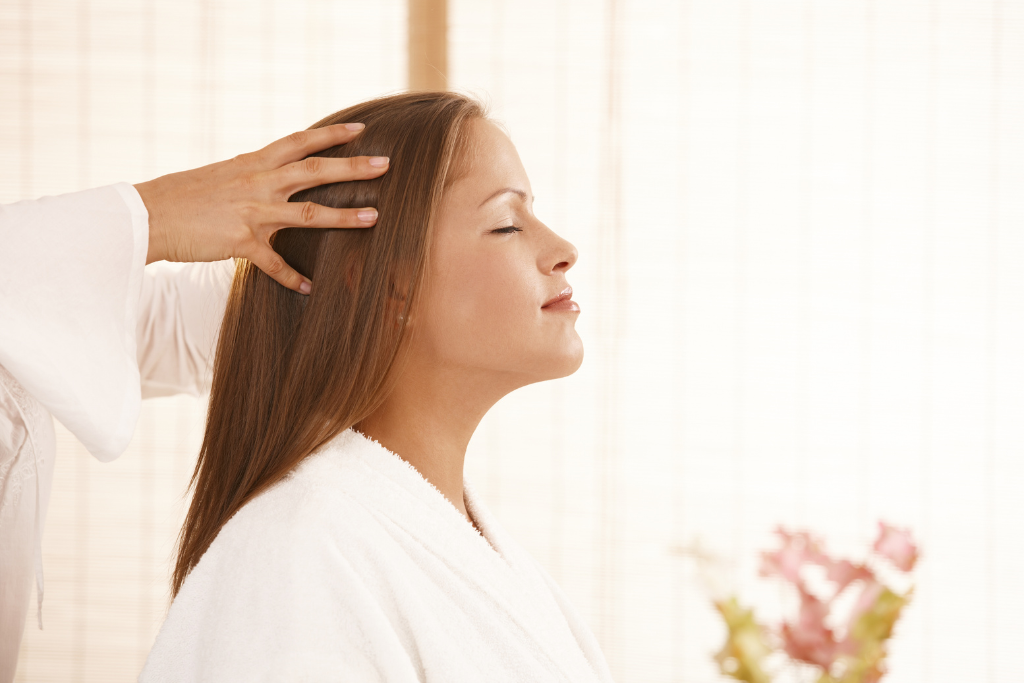
Regular scalp maintenance helps keep the scalp clean, balanced, and comfortable. It removes oil, product buildup, and dead skin before they cause bigger problems. A healthy scalp also makes your hair look fresher, lighter, and easier to manage. Clean roots can give hair more lift and volume.
Good scalp care may also reduce itchiness, flakes, and blocked follicles. It supports a better environment for healthy hair growth. While scalp care does not fix every hair problem, it helps your hair grow from a cleaner base. In simple terms, healthy hair starts with a healthy scalp.
What Key Ingredients Should You Look for in a Scalp Treatment?
Choose ingredients that fit your scalp’s needs. Salicylic acid breaks down oil and buildup, making it great for oily scalps. Tea tree oil helps with flakes and itching, while aloe vera soothes dry or sensitive scalps.
Niacinamide supports scalp balance. Peppermint oil refreshes and improves comfort, but use it sparingly. Hyaluronic acid and glycerin add moisture. Avoid harsh formulas if your scalp is dry, tight, or easily irritated.
Can You Get Scalp Treatments Too Often?
Using scalp treatments too often can lead to problems. If you cleanse or exfoliate too much, you might remove natural oils and end up with a dry, tight, itchy, or sensitive scalp. In some cases, your scalp could start making more oil to try to fix the dryness.
How often you treat your scalp depends on your scalp type and the products you use. You can use gentle treatments more often than strong exfoliators. If your scalp starts to sting, peel, or feel uncomfortable, stop and let it recover. Finding the right balance gives you the best results.
Conclusion
Scalp care is a key part of healthy hair. When your scalp is clean and balanced, your hair looks and feels stronger. The right treatment depends on your scalp type, whether flaky, oily, or heavy. A good treatment can improve scalp health, help you sleep better, and fix common issues.
Take control of your scalp health, reduce buildup, and support your hair with expert care. Schedule your personalized scalp treatment at Spa Restoration Center. Book your appointment and start experiencing healthier hair and a refreshed scalp.
Frequently Asked Questions
How often should I get a scalp treatment?
It depends on your scalp type. Most people do well with a scalp treatment every 2 to 4 weeks. If your scalp gets oily fast or has heavy buildup, you may need it more often.
Can a scalp treatment help with dandruff?
Yes, it can help in many cases. A good scalp treatment can remove flakes, reduce oil, and calm itchiness. You may need regular treatments if dandruff keeps coming back.
Is a scalp treatment good for hair growth?
A scalp treatment can support healthy hair growth by keeping the scalp clean and balanced. It does not work like a miracle cure, but it can create a better space for stronger hair to grow.
Leave a comment