
What is the deepest type of massage?
The deepest type of massage is deep tissue massage. It targets the deeper layers of muscles and connective tissues. Unlike gentle massages, it uses firm pressure and slow strokes. This helps release chronic muscle tension and knots.
It is ideal for people with sore muscles, injuries, or tightness. The therapist focuses on specific problem areas to relieve pain. Deep tissue massage can also improve posture and flexibility. Sessions usually last 60 to 90 minutes, depending on your needs.
Benefits of the Deepest Type of Massage
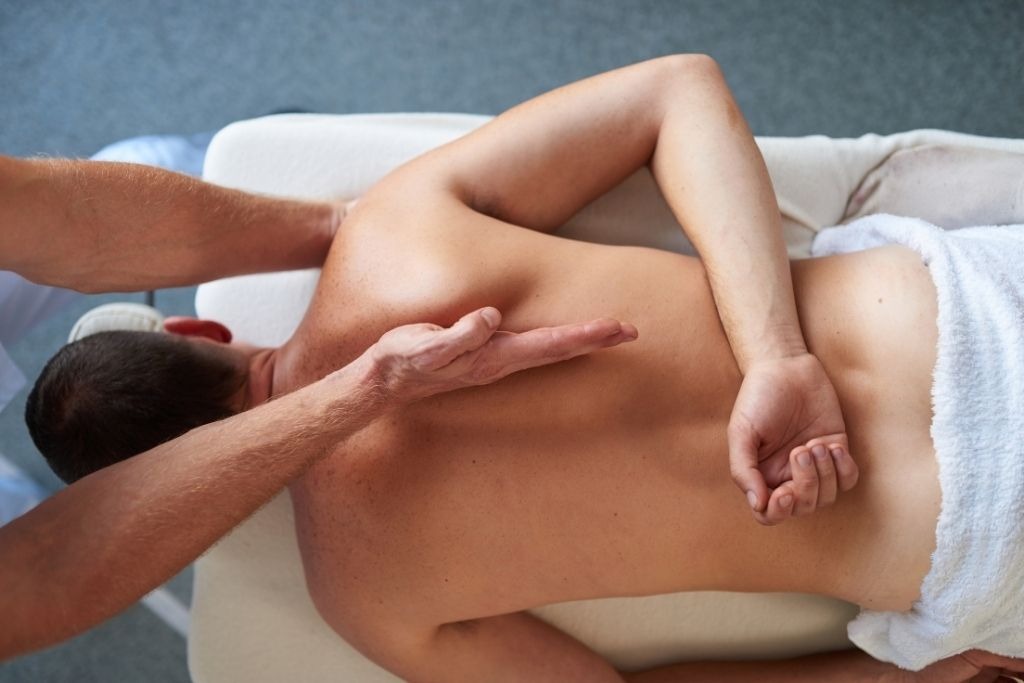
The deepest type of massage provides significant muscle tension relief. A professional deep tissue massage targets the muscles and connective tissues that are hardest to reach. It can help reduce chronic pain caused by injuries, overuse, or poor posture. Therapeutic massage techniques are used to release tight knots and improve blood flow.
This type of massage also helps restore flexibility and range of motion. People often report feeling lighter, less stressed, and more relaxed after a session. Massage for chronic pain can be especially effective when done regularly. The experience is intense but focused on healing rather than discomfort.
Swedish Massage
Swedish massage is gentle and relaxing, perfect for anyone new to massage or seeking calm. It helps release tension and ease minor muscle knots. This massage encourages your body and mind to fully relax.
- Ideal for beginners or those needing gentle touch
- Relieves muscle tension and minor knots
- Techniques: kneading, long flowing strokes, circular motions, vibration, tapping, and passive joint movements
- You can stay in your underwear; a sheet provides comfort
- Duration: 60–90 minutes
Hot Stone Massage
Hot stone massage combines traditional massage with the soothing warmth of heated stones. It melts away stress and muscle tightness while boosting blood circulation. This massage is perfect for deep relaxation or easing chronic tension.
- Reduces muscle pain and stiffness
- Promotes relaxation and stress relief
- Stones placed on key areas or held by the therapist
- Clothing optional; covered with a sheet
- Duration: about 90 minutes
Aromatherapy Massage
Aromatherapy massage uses gentle pressure with essential oils to improve mood and emotional well-being. The combination of scent and touch helps reduce stress, anxiety, and physical discomfort.
- Lifts mood and relieves stress
- Eases muscle tension and pain
- Oils absorbed through skin and inhaled for full effect
- Can focus on full-body or just specific areas
- Clothing optional
- Duration: 60–90 minutes
Deep Tissue Massage
Deep tissue massage targets deeper layers of muscles and connective tissue. It’s excellent for chronic pain, muscle tightness, and post-injury recovery. The slow, firm strokes release tension where you need it most.
- Reduces soreness and chronic muscle pain
- Helps correct muscle imbalances
- Slow, firm pressure for deeper relief
- Can be partially or fully undressed
- Duration: 60–90 minutes
Sports Massage
Sports massage is designed for athletes or anyone prone to repetitive-use injuries. It enhances performance, increases flexibility, and speeds recovery. The therapist may alternate between firm and gentle pressure depending on your needs.
- Prevents injuries and aids recovery
- Improves flexibility and performance
- Reduces pain and releases tension
- Can target full body or specific areas
- Wear loose clothing for easy access
- Duration: 60–90 minutes
Trigger Point Massage
Trigger point massage focuses on tight spots that can cause pain in other areas of the body. Applying precise pressure can relieve pain and restore mobility.
- Targets problem spots causing referred pain
- Alternating pressure eases tension
- Can cover full body while focusing on specific areas
- Clothing can be light, partial, or none
- Duration: 60–90 minutes
Reflexology
Reflexology works on the feet, hands, and ears to restore energy flow and balance. It’s ideal for relaxation and those who prefer not to have a full-body massage.
- Promotes relaxation and energy balance
- Reduces pain and fatigue
- Improves sleep and mood
- Wear loose clothing for comfort
- Duration: 30–60 minutes
Shiatsu Massage
Shiatsu is a Japanese massage using rhythmic pressure on targeted points. It reduces stress, pain, and muscle tension while improving overall well-being.
- Relieves stress, headaches, and fatigue
- Improves sleep and mood
- Therapist uses hands, palms, and thumbs
- Fully clothed during the massage
- Duration: 60–90 minutes
Thai Massage
Thai massage combines stretching, twisting, and firm pressure to energize the body. It’s an active massage that helps improve flexibility, circulation, and vitality.
- Stretches and twists muscles like yoga
- Enhances circulation and energy levels
- Relieves tension and reduces pain
- Wear loose, comfortable clothing
- Duration: 60–90 minutes
Prenatal Massage
Prenatal massage supports pregnant women (after the first trimester) by easing back, hip, and leg discomfort. It reduces stress and promotes overall relaxation.
- Reduces pregnancy aches and tension
- Uses gentle pressure similar to Swedish massage
- Lie on your side or a specially designed table
- Duration: 45–60 minutes
- Always consult your doctor first
Couples Massage
Couples massage lets two people enjoy a massage side by side. It’s perfect for shared relaxation or as a special experience.
- Each person can select their preferred massage type
- Can include spa treatments like facials or scrubs
- Separate therapists for each person
- Duration: 60–90 minutes
Chair Massage
Chair massage is short, focused, and convenient. It targets the back, neck, and shoulders to quickly relieve stress.
- Uses light to medium pressure
- Fully clothed, seated in a special chair
- Ideal for busy schedules or quick refresh
- Duration: 10–30 minutes
Lymphatic Drainage Massage
Lymphatic drainage massage gently encourages lymph fluid circulation to remove toxins and support healing. It can benefit many conditions but isn’t recommended for certain medical issues.
- Supports lymph flow and toxin removal
- May help lymphedema, fibromyalgia, edema, fatigue, and stress
- Avoid if you have heart, liver, kidney problems, recent infections, or blood clot history
- Can be done at home or by a professional
- Duration: 60+ minutes
How a Professional Deep Tissue Massage Works
A professional deep tissue massage uses slow, firm pressure to reach the deeper layers of muscles and fascia. The therapist focuses on specific areas with chronic tension or pain. Therapeutic massage techniques like kneading, friction, and targeted strokes help break down knots.
Muscle tension relief happens gradually as tight fibers are stretched and loosened. The therapist may also apply elbow or forearm pressure to reach deeper tissues. Sessions usually last 60 to 90 minutes, depending on your needs. You may feel some soreness afterward, but it should not be painful. Regular sessions can improve posture, reduce stress, and prevent future injuries.
Who Should Try the Deepest Type of Massage
The deepest type of massage is ideal for people with chronic muscle pain or stiffness. It works well for athletes, office workers, or anyone with poor posture. A professional deep tissue massage can help relieve tension from repetitive movements or long hours of sitting. It is also suitable for those recovering from minor injuries, under guidance from a doctor.
People who experience frequent stress or muscle knots can benefit from regular sessions. However, it may not be recommended for those with certain medical conditions, like acute inflammation or recent surgery. Always consult a healthcare professional before trying this massage if you have health concerns.
What to Expect During a Deepest Type of Massage
During the deepest type of massage, you’ll lie on a massage table, usually partially or fully undressed. The therapist will use slow, firm strokes and targeted pressure on problem areas. Therapeutic massage techniques may include kneading, friction, and stretching to release deep muscle tension.
You might feel some discomfort, but it should never be painful. The session typically lasts 60 to 90 minutes, depending on your needs. After the massage, muscles may feel sore for a day or two, but blood flow and flexibility improve. Drinking water afterward can help flush out toxins released during the massage.
Tips for Getting the Most from a Deepest Type of Massage
To get the most from the deepest type of massage, communicate clearly with your therapist about pressure and problem areas. Arrive well-hydrated to help muscles respond better to therapeutic massage techniques. Avoid heavy meals right before your session to stay comfortable.
Relax and focus on breathing during the massage to enhance muscle tension relief. Follow up with gentle stretching or light movement afterward to maintain flexibility. Regular sessions of a professional deep tissue massage can help manage chronic pain and prevent future muscle issues. Always listen to your body and give yourself time to recover between sessions.
Potential Side Effects of the Deepest Type of Massage
The deepest type of massage can sometimes cause mild soreness or stiffness afterward. This is normal and usually fades within a day or two. Some people may notice slight bruising in sensitive areas. Muscle fatigue or temporary fatigue can also occur, especially after an intense session. Drinking water and resting can help reduce these effects.
Serious pain or prolonged discomfort is uncommon but should be reported to your therapist. Always consult a healthcare professional if you have underlying medical conditions before scheduling a session.
How Often to Get the Deepest Type of Massage
The frequency of the deepest type of massage depends on your needs and goals. For chronic pain or muscle tension, a professional deep tissue massage once a week can be effective. For general muscle maintenance or stress relief, once every two to four weeks may be enough. Athletes or people with high physical activity may benefit from more frequent sessions.
Always listen to your body and allow time for recovery between massages. Your therapist can help create a schedule that maximizes muscle tension relief and long-term benefits.
Choosing a Professional Deep Tissue Massage Therapist
Choosing the right therapist is key for the deepest type of massage. Look for a licensed and certified professional with experience in deep tissue techniques. Ask about their training in therapeutic massage techniques and experience with muscle tension relief.
Personal recommendations or online reviews can help you find a trusted therapist. Before your session, discuss your pain points, pressure preferences, and any medical conditions. A professional deep tissue massage therapist will tailor the session to your needs and ensure safety and comfort throughout.
Takeaway: Experience the Deepest Type of Massage
The deepest type of massage is a powerful way to relieve muscle tension, reduce chronic pain, and improve overall flexibility. A professional deep tissue massage uses targeted, therapeutic massage techniques to reach the deepest layers of muscle and connective tissue. Regular sessions can help prevent injuries, improve posture, and promote long-term relaxation.
If you’re ready to experience the benefits, book your session with Spa Restoration Center today and discover how the deepest type of massage can transform your body and mind.
FAQs About the Deepest Type of Massage
1. Is the deepest type of massage painful?
It can feel intense, but it should never be sharply painful. Some soreness afterward is normal.
2. How long does a deep tissue massage last?
Most sessions last 60 to 90 minutes, depending on your needs and problem areas.
3. Can anyone get the deepest type of massage?
It’s suitable for most healthy adults, but consult your doctor if you have medical conditions or injuries.
4. How soon will I feel the results?
Some relief may be immediate, but chronic muscle tension often improves over multiple sessions.
5. Can deep tissue massage help with stress?
Yes, it promotes relaxation, reduces muscle tension, and can help lower stress levels over time.
Leave a comment