How to Prepare for a Deep Tissue Massage: Step-by-Step Guide
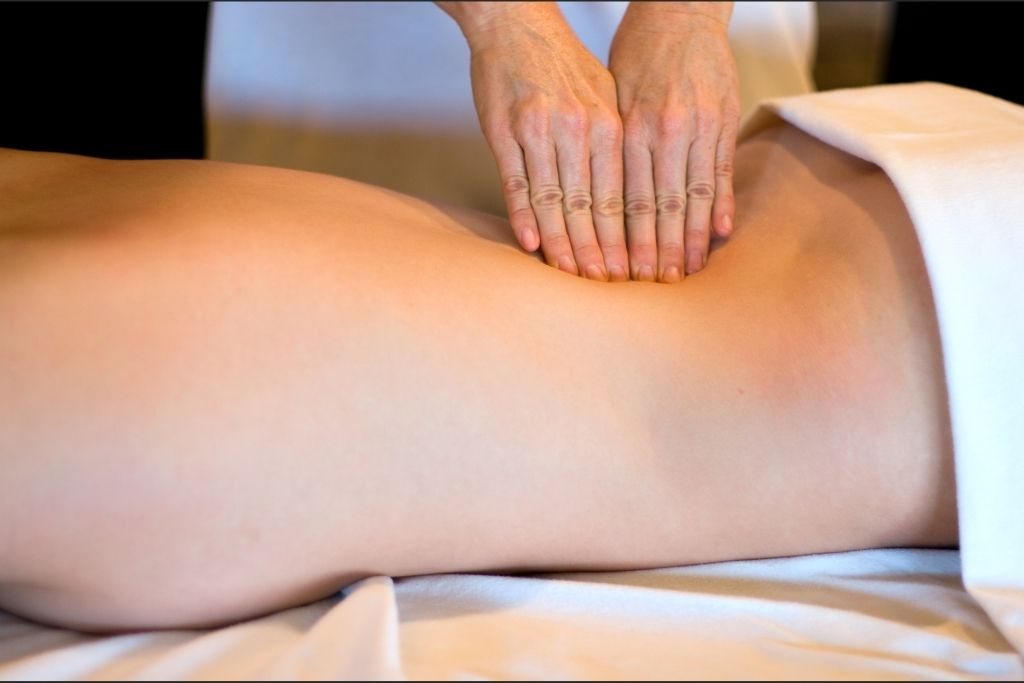
A deep tissue massage does more than help you relax. It targets the deeper layers of muscle and connective tissue. It releases tension. It improves posture. It helps your body recover from stress, injury, and chronic pain.
A Swedish massage uses long, gentle strokes. It focuses on relaxation. A deep tissue massage uses firm pressure. It breaks up muscle knots. It improves blood flow. It helps remove waste from the muscles.
If this is your first deep tissue massage, prepare ahead of time. Good preparation can reduce soreness. It can improve your results. It also helps keep the session safe.
At the Spa Restoration Center, we stress the importance of preparation. It helps you get the best results from each session. This guide explains what to do before your appointment.
Why Proper Preparation Matters
A deep tissue massage can feel intense. The therapist uses strong pressure on tight muscles. If your body is not ready, it may feel uncomfortable.
Preparation is important because it:
- Reduces muscle soreness and stiffness after the session.
- Helps your therapist work better.
- Lowers the risk of injury or extra pain.
- Improves blood flow.
- Helps your body remove waste from muscles.
When you follow a few simple steps before your appointment, you can enjoy your massage safely and comfortably.
Step 1: Choose the Right Therapist
Choosing the right therapist is very important. A skilled massage therapist makes your deep tissue massage safe and effective. They know how to use the right amount of pressure. They can find tight areas. They adjust their technique to fit your body.
Here are some tips to help you choose:
- Check credentials. Make sure the therapist is licensed and certified in deep tissue massage.
- Ask about experience. Choose someone who treats chronic pain, sports injuries, or tight muscles.
- Read reviews. Look at client feedback and online ratings.
- Get recommendations. Ask friends, family, or your healthcare provider for referrals.
A trained therapist helps you get the best results. At Spa Restoration Center, our therapists are certified and skilled in deep tissue massage.
Step 2: Share Health and Medical Information
Deep tissue massage uses firm pressure. It can feel strong on some areas of your body. Your therapist needs clear health information before the session.
Here is what you should share:
- Past or current injuries.
- Surgery history.
- Areas with chronic pain.
- Allergies to oils or lotions.
- Medicines that affect blood flow or muscles.
- Medical conditions like high blood pressure, diabetes, or heart problems.
This information helps your therapist adjust the pressure. It helps them choose the right areas to focus on. It also makes your session safe and effective.
Step 3: Hydrate Before and After Your Massage
Deep tissue massage breaks up muscle knots. It also helps release waste from your muscles. If you are not hydrated, you may feel tired or sore after the session.
Follow these simple tips:
- Drink 1 to 2 glasses of water before your appointment.
- Keep drinking water after your session.
- Avoid alcohol before your massage.
- Limit caffeine before your massage.
Drinking water helps your blood flow. It can reduce soreness. It also helps you get the most benefit from your session.
Step 4: Take a Warm Shower
Take a warm shower before your massage. Warm water helps loosen tight muscles. It also increases blood flow. This makes your muscles easier to work on. You will also feel clean and relaxed.
Benefits of a warm shower:
- Warms muscles and reduces tension.
- Improves blood flow.
- Helps the massage work better.
- Increases comfort and relaxation.
- Keeps oils and lotions cleaner on your skin.
A warm shower only needs 5 to 10 minutes. The water should be warm, not too hot. This simple step can make your deep tissue massage more comfortable and effective.
Step 5: Wear Comfortable Clothing
Wear loose, comfortable clothing to your massage. It makes undressing and redressing easier. It also helps you stay relaxed before and after the session.
Clothing tips:
- Avoid tight or restrictive clothing.
- Choose layers that are easy to remove.
- Consider a robe if the spa provides one.
- Loose clothing is helpful if your muscles feel sore afterward.
Even though Spa Restoration Center provides towels and draping, wearing comfortable clothing helps you feel at ease. It ensures your focus stays on relaxing and getting the most from your massage.
Step 6: Manage Expectations
Deep tissue massage is not the same as a relaxing spa massage. It focuses on deep muscle tension, so some discomfort is normal. Knowing what to expect can help you feel more comfortable and reduce anxiety.
Keep these points in mind:
- You may feel soreness during or after the session.
- Deep pressure can feel intense, but your therapist can adjust it.
- Your muscles may take time to fully respond, especially during the first session.
- Focus on breathing and staying relaxed throughout the massage.
Understanding these points helps you get the most benefit from your massage and makes the experience safer and more effective.
Step 7: Plan for Post-Massage Care
Post-massage care is just as important as preparation. Following simple aftercare steps helps your body recover and keeps the benefits longer.
Tips for after your massage:
- Hydrate: Keep drinking water to help flush out toxins.
- Rest: Avoid heavy activity for at least 24 hours.
- Warm bath or shower: Helps relax muscles and rinse off oils.
- Light meals: Eat healthy foods to support recovery.
Planning your day to include rest after your massage makes the experience more effective. It helps you feel comfortable and lets your body fully enjoy the benefits.
Step 8: Consider Timing and Scheduling
Planning when to schedule your deep tissue massage can improve results. Choosing the right time helps your muscles respond better and lets you relax fully afterward.
Tips for timing:
- Avoid intense workouts right before or after your massage.
- Pick a time when you can relax afterward.
- Morning sessions can boost energy for the day.
- Evening sessions can help you unwind and sleep better.
Scheduling thoughtfully ensures your muscles are ready and you get the most benefit from your massage.
Step 9: Use Relaxation Techniques
Deep tissue massage eases tension in both your muscles and your mind. Using simple relaxation techniques can make your session even more effective.
Try these tips:
- Focus on slow, deep breathing during the massage.
- Practice mindfulness and let go of distractions.
- Visualize tension leaving your body with each stroke.
Relaxing this way can lower stress hormones and help your muscles recover faster. It also makes the massage feel more comfortable and beneficial.
Step 10: Communicate During Your Session
Talking with your therapist is important. Your feedback helps them adjust the massage to your needs and comfort level.
Keep these tips in mind:
- Speak up if the pressure is too strong or too light.
- Point out areas that need extra attention.
- Let the therapist know if you feel any discomfort or soreness.
Clear communication ensures your massage is safe, effective, and tailored to your body. It helps you get the best results from every session.
Benefits of Proper Preparation
Getting ready for a deep tissue massage makes the experience more effective and comfortable. Proper preparation enhances:
- Muscle recovery: Muscles respond better when they are warm, hydrated, and relaxed.
- Pain relief: Targeted massage works best when the therapist knows your specific needs.
- Circulation and toxin removal: Hydration and warm muscles improve blood flow and lymphatic drainage.
- Mental relaxation: Being informed and relaxed boosts stress relief and overall wellness.
Following these steps ensures you get the full benefits of your deep tissue massage safely and comfortably.
Conclusion
Deep tissue massage is a powerful way to ease chronic muscle tension, improve posture, and boost overall well-being. Preparing properly helps you get the most from your session and prevents discomfort or injury.
By choosing a skilled therapist, sharing your health information, staying hydrated, taking a warm shower, wearing comfortable clothing, using relaxation techniques, and planning for post-massage care, you set yourself up for a safe and effective experience.
At Spa Restoration Center, our experienced therapists guide every session with care. They use techniques tailored to your body’s needs. Whether it’s your first deep tissue massage or part of a regular wellness routine, proper preparation and expert care ensure the best results.
Deep Tissue Massage FAQ
1. How often should I get a deep tissue massage?
Most people benefit from a session every 3–4 weeks. Frequency may vary depending on muscle tension, activity levels, and any chronic conditions.
2. Will a deep tissue massage be painful?
Some discomfort is normal as tight muscles are worked. The therapist adjusts pressure to your comfort, so communicate openly during the session.
3. Can I eat before my massage?
Have a light meal or snack before your appointment. Avoid heavy or greasy foods, which may make you feel uncomfortable during the massage.
4. Who should avoid deep tissue massage?
People with uncontrolled high blood pressure, recent injuries, or certain medical conditions should talk to a doctor before getting a deep tissue massage.
5. How long does it take to feel benefits?
Some relief can be felt immediately. Full benefits often appear after 24–48 hours as muscles recover and tension is released.
Leave a comment