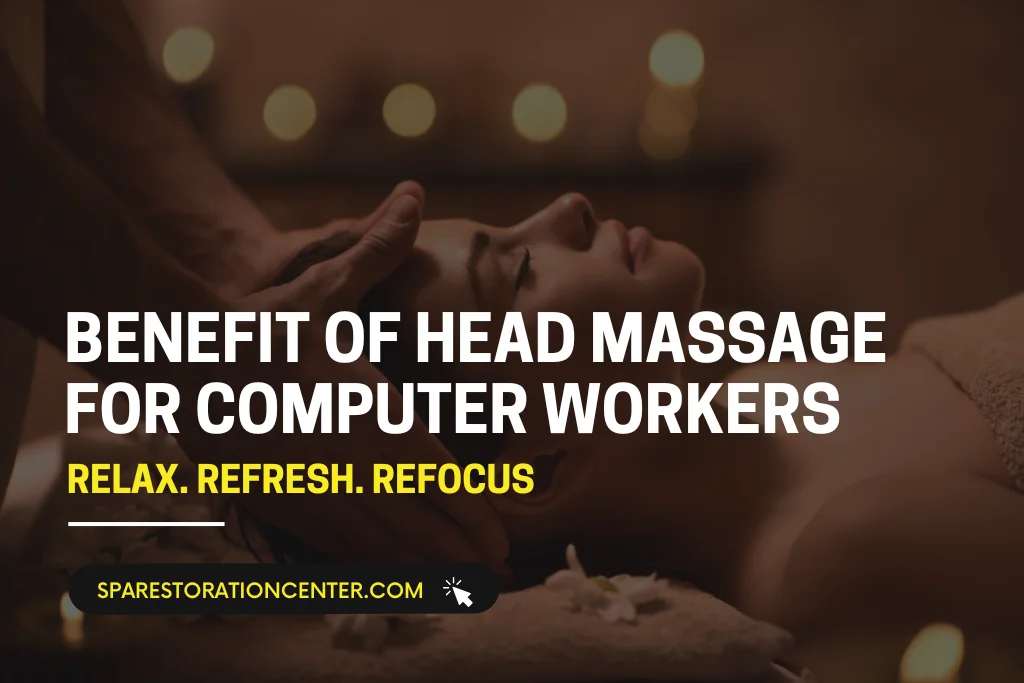
Benefits of Head Massage for Computer Workers
Do you often find yourself sitting at a computer for long periods? If so, you’ve probably experienced headaches, neck stiffness, eye strain, or stress. These common problems can seriously affect your comfort and productivity. Have you thought about trying a head massage to help?
Head massage is becoming a popular and easy way to ease tension, improve circulation, and reduce stress. Focusing on areas like your scalp, neck, and shoulders, this simple practice can offer relief and help you stay relaxed and focused throughout your workday.
What Is a Head Massage?
A head massage is a therapy that helps relieve tension in the head, neck, and shoulders. It uses gentle pressure and movements to relax tight muscles and improve blood flow.
The goal is to reduce stress, ease headaches, and improve well-being. Unlike regular massages, a head massage focuses on areas that get tense from sitting or screen time. It’s a simple way to feel relaxed, recharged, and stay focused throughout the day.
Common Problems Faced by Computer Workers
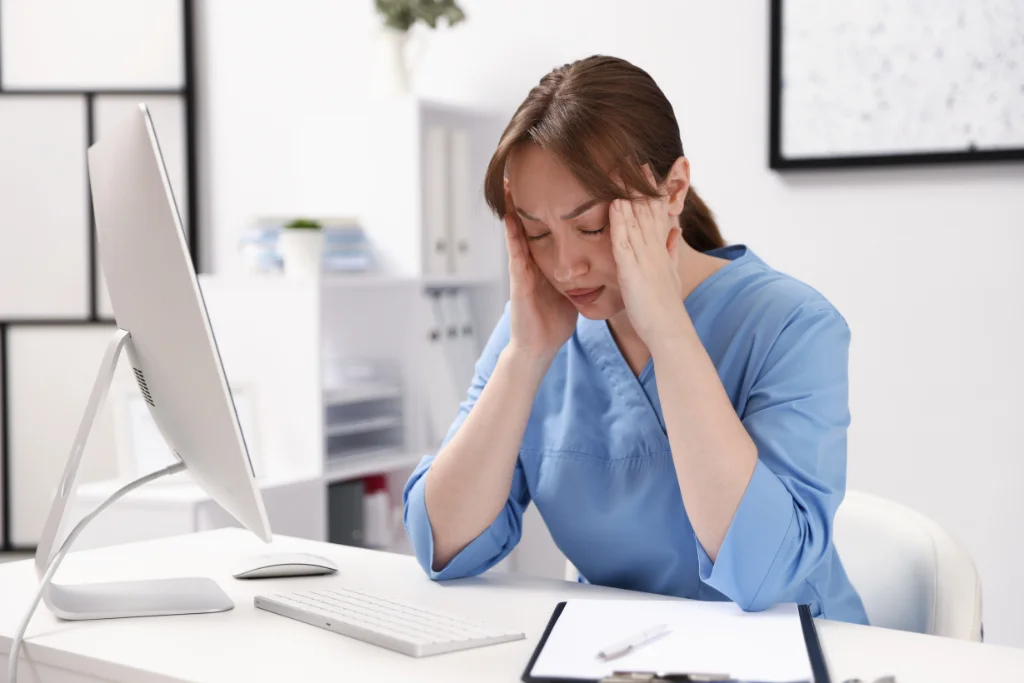
Many computer workers face health issues from long hours in front of screens. Poor posture or high screen brightness often causes frequent headaches. Prolonged screen use leads to eye strain, dryness, and blurred vision, especially when breaks are skipped. Neck and shoulder stiffness result from sitting for hours with poor posture, causing muscle tightness and discomfort.
Stress and mental burnout from long work hours and tight deadlines can impact both productivity and well-being.
Poor sleep quality is also common, particularly from screen use before bed, disrupting sleep patterns. Addressing these issues early is key to maintaining both health and work performance.
Frequent headaches
Long hours of screen use can lead to tension headaches, especially when posture is poor or screen brightness is too high. Sitting in one position for extended periods puts a strain on the neck and eyes, triggering painful headaches.
- Poor posture and screen brightness can intensify headaches.
- Taking breaks and adjusting screen settings can help alleviate discomfort.
Eye strain and digital fatigue
Staring at a screen for long periods can cause discomfort, dryness, and blurred vision, a condition known as digital eye strain. This occurs due to prolonged focus on screens without adequate rest for the eyes.
- Symptoms include dryness, blurred vision, and headaches.
- Following the 20-20-20 rule (taking a 20-second break every 20 minutes) can help reduce strain.
Neck and shoulder stiffness
Sitting for long periods with improper posture often results in tightness and discomfort in the neck and shoulders. Constantly looking at screens without proper ergonomic setup can lead to muscle strain.
- Stiffness can worsen over time, causing chronic pain.
- Adjusting your chair height and using proper posture can prevent stiffness.
Stress and mental burnout
The pressure of meeting deadlines and long working hours can increase stress levels, leading to mental burnout. This can impact productivity, focus, and overall mental health.
- Burnout can cause fatigue, frustration, and reduced performance.
- Managing stress through regular breaks, relaxation techniques, and task prioritization is essential.
Poor sleep quality
Constant screen exposure, especially before bedtime, disrupts sleep patterns. The blue light emitted by screens can interfere with melatonin production, making it harder to fall or stay asleep.
- Sleep disruption can lead to fatigue and reduced focus during the day.
- Reducing screen time before bed and using blue light filters can improve sleep quality.
Key Benefits of Head Massage for Computer Workers
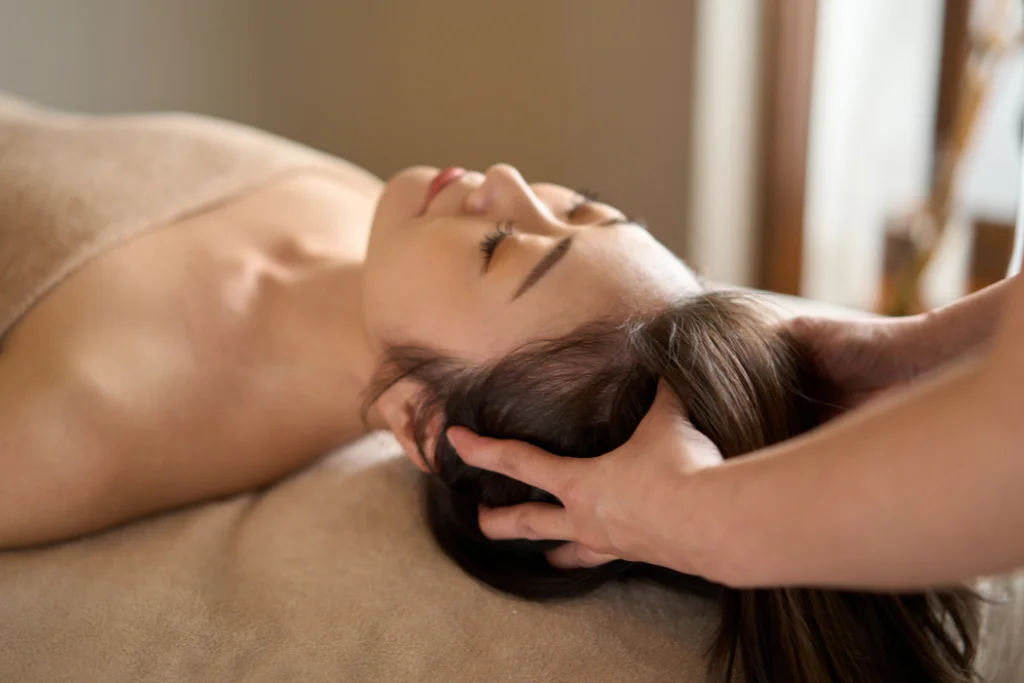
Head massages provide real benefits for people who work at computers. They can ease tech neck, help with tension headaches, and lower stress levels.
Getting massages regularly can also clear your mind, help you focus, improve circulation, and make you more productive by reducing mental fatigue.
Reduces Headaches
A massage on the head helps relieve tension in the scalp muscles, which are often the cause of headaches. It also improves blood circulation in the head, reducing headache pain and discomfort.
- Relieves tension in the scalp muscles.
- Increases blood flow, easing headache discomfort.
Regular head massage therapy can provide quick relief and help prevent future headaches by improving circulation.
Relieves Neck and Shoulder Pain
Massaging the neck, shoulders, and head helps release tight muscles caused by long periods of sitting or poor posture. It also promotes better posture, which can prevent future discomfort.
- Loosens tight muscles in the neck and shoulders.
- Encourages better posture, easing discomfort.
Regular massages can help improve posture and reduce the risk of pain from sitting too long or slumping.
Reduces Stress and Anxiety
A gentle massage on the head and neck calms the nervous system, which helps reduce stress and anxiety. This practice allows both the mind and body to relax, offering relief from daily tension.
- Calms the nervous system, promoting relaxation.
- Reduces stress and anxiety, helping the body unwind.
Incorporating this type of massage can help you feel more relaxed and mentally clear, making it easier to handle daily challenges.
Improves Focus and Productivity
A head massage improves oxygen flow to the brain, which enhances mental clarity and focus. This helps you stay productive and maintain concentration throughout the day.
- Increases oxygen flow to the brain, sharpening focus.
- Enhances mental clarity, boosting productivity.
Adding a head massage to your routine can help you stay focused, improve work efficiency, and maintain energy levels.
Supports Better Sleep
A head massage helps the body relax before bed by lowering stress hormones, which leads to improved sleep quality and more restful nights. This simple practice can make a big difference in how well you rest and how quickly you fall asleep.
- Reduces stress hormones, aiding relaxation.
- Helps the body unwind and relax before bedtime.
- Promotes deeper, more restful sleep.
Including a head massage in your evening routine can help you achieve a calmer mind and a better night’s sleep.
When to Consider Professional Head Massage Therapy
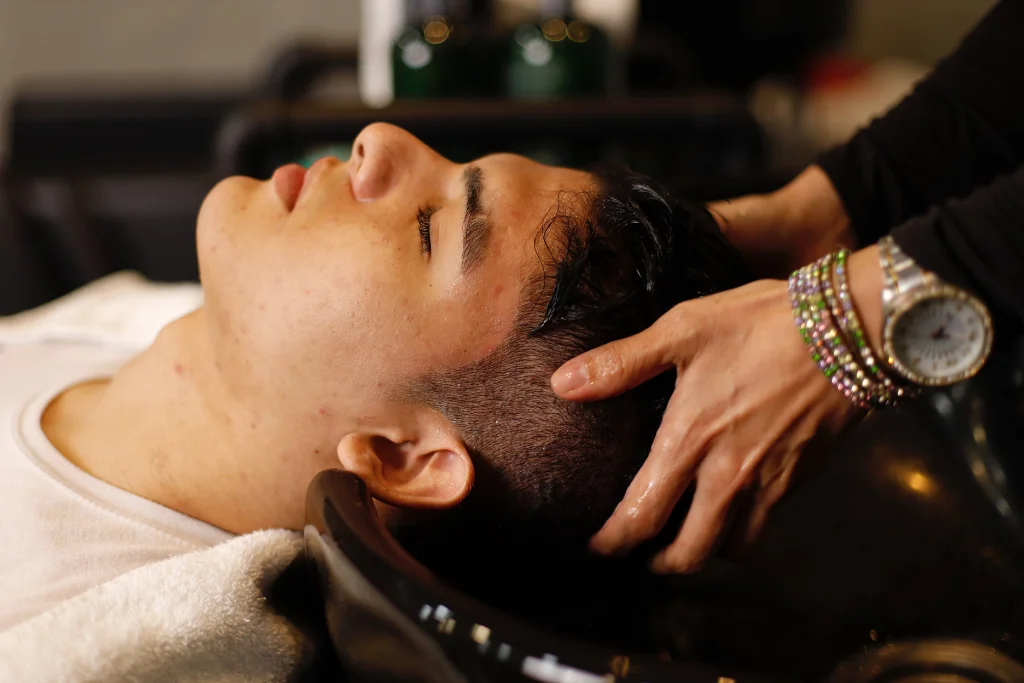
If you experience chronic tension, it may be time to seek professional head massage therapy. Signs include persistent neck, shoulder, or head pain that doesn’t go away with self-care.
- Signs of chronic tension: Continuous discomfort in the neck, shoulders, or head may indicate the need for professional help.
- Frequency recommendations: For long-term relief, consider getting a professional massage once a week or biweekly, depending on your level of discomfort.
- Combining with ergonomic improvements: Professional massage therapy works best when combined with ergonomic changes in your workspace to prevent future tension.
Conclusion
Head massage provides many benefits for computer workers, including relief from headaches, neck pain, stress, and anxiety. It also boosts focus, productivity, and sleep quality, helping you stay relaxed and energized.
Adding a head massage to your daily routine can improve your well-being and prevent common issues from long screen time.
At Spa Restoration Center, we believe in the power of relaxation for better health. Simple practices like head massage can help both your physical and mental wellness.
Start improving your health today. Visit Spa Restoration Center for a professional head massage. Your mind and body will feel refreshed!
Frequently Asked Question
1. How often should I get a head massage?
For the best results, it’s recommended to get a head massage once a week. If you experience regular tension or stress, you can consider more frequent sessions.
2. Can a head massage help with eye strain?
Yes, head massages can help relieve tension in the scalp and forehead, which can reduce eye strain caused by long hours of screen use.
3. Is a head massage effective for stress relief?
Absolutely. A head massage calms the nervous system, which helps reduce stress and anxiety, promoting relaxation and mental clarity.
4. Can a head massage improve sleep quality?
Yes, by lowering stress levels and promoting relaxation, a head massage can improve sleep quality and help you fall asleep faster.
Leave a comment