Do you feel that your scalp is really oily? Like, when you wash your hair in the morning, by evening it already feels greasy again?
Yeah, I can understand, it’s frustrating. Because we’re all at a time in our lives noticing extra hair fall in the shower, itchy roots, and dandruff flakes on our shoulders. Or thinning near your hairline, so that you may be wondering: “Does oily scalp hair loss happen??”
The answer is, it definitely can. In fact, a lot of people ignore scalp oiliness because they think it’s just a “hair type”. But when your scalp keeps producing too much oil, it can mess with your hair follicles and, as a result, clog pores and trigger dandruff.
All the problems finally create the perfect environment for hair thinning.
According to Mayo Clinic, seborrheic dermatitis and dandruff are commonly linked with excess scalp oil.
Well, as you know, where there’s a will, there’s a way. And I will be your guide to solve your hair loss problem due to an oily scalp. So read carefully and learn how to treat oily scalp, reduce buildup, and create a healthier scalp environment for your stronger hair growth.
So… What Causes Oily Scalp in the First Place?
Your scalp naturally produces sebum, an oil. That oil is actually important because it keeps your scalp moisturized and protects your hair.
But sometimes your scalp gets a little too enthusiastic and creates more oil. And that’s when you end up with an oily hair scalp that feels greasy only a few hours after washing.
If you’ve ever asked yourself:
a) Why is my scalp oily?
b)What causes an oily scalp?
c)How do I fix an oily scalp permanently?
Here are the biggest reasons you wash your hair too much! Sounds backward, right?
But overwashing strips away natural oils, and your scalp reacts by producing even MORE oil to compensate.
Basically, your scalp goes into panic mode.
According to the American Academy of Dermatology Association, excessive washing can disrupt your scalp’s natural balance and worsen oil production.
The second reason is that you stress a lot, and unnecessary worries trigger your stress hormones. And what you get is extra oil production on your scalp.
Now you can connect the dots to why your scalp suddenly became oilier during exams, work pressure, or lack of sleep. Also, stress increases inflammation, which can be the cause of your hair fall.
Besides, Wrong Hair Products or Heavy conditioners, thick serums, silicone-loaded shampoos, and oily styling products can suffocate your scalp. Nowadays, we all hear ‘moisturize’ a lot, but not for hair. Because too many moisturizing products are actually terrible for oily scalps.
Finally, some medical conditions, like genetics and hormonal changes (since hormones control oil glands), can cause oily scalp problems. However, it becomes worse during puberty, pregnancy, or hormonal imbalances.
Now, Let’s Understand How Oily Scalp Hair Loss
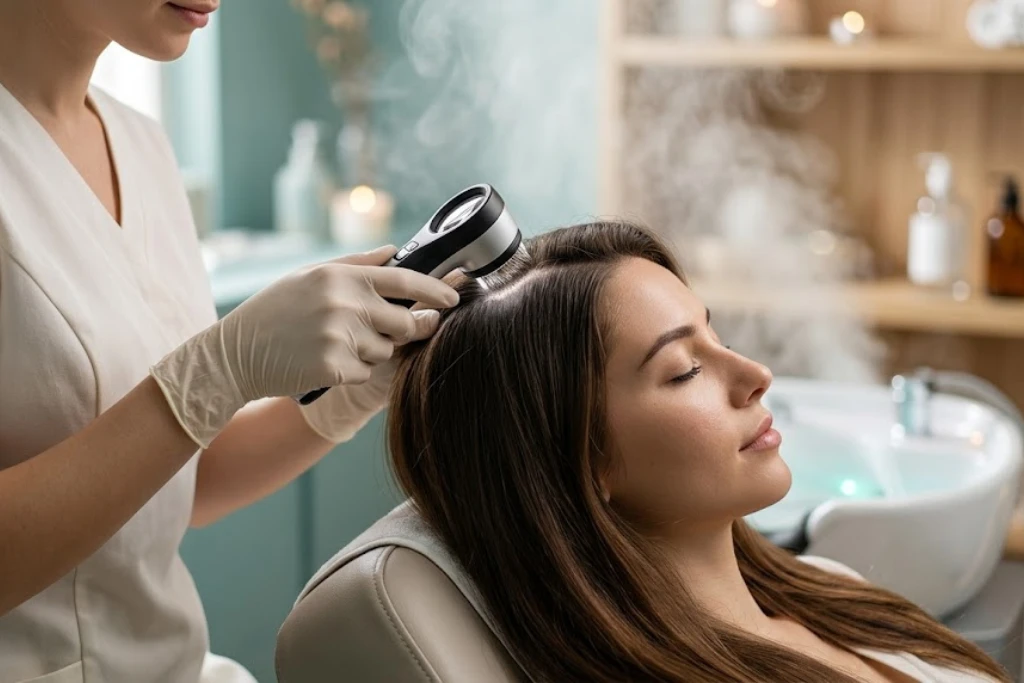
Oil itself doesn’t directly pull hair out from our scalp, but the problem is that due to excess oil, our hair follicles clog. Later, when oil mixes with dead skin, sweat, dirt, pollution, and product buildup, it damages your hair follicles.
First of all, healthy follicles need oxygen and a clean environment. When they stay blocked for too long, hair growth weakens.
According to the Cleveland Clinic, inflammation and buildup around follicles can contribute to scalp irritation and shedding.
Oily Scalp Can Trigger Dandruff:
A lot of people don’t realize that an oily scalp can actually cause dandruff, and as a result, hair fall becomes very common.
Excess oil feeds yeast on the scalp, especially a fungus called Malassezia. That leads to: itching, flakes, irritation, redness, and inflammation. As we all know, inflammation is bad news for hair follicles.
How to Treat An Oily Scalp Without Damaging Your Hair
Now let’s talk about solutions. Here, you can learn how to get rid of oily scalp issues without destroying your hair.
The goal is balance and not drying your scalp out completely. Let’s dive into how to fix an oily scalp asap!
First of all, Stop Using Harsh Shampoo Every Day.
Daily shampooing can make things worse. Rather, try washing every 2–3 days with a gentle scalp-focused shampoo. Look for ingredients like: tea tree oil, salicylic acid, charcoal, peppermint, and zinc pyrithione.
These ingredients help control oil without over-drying your hair and scalp.
According to Healthline, tea tree oil and salicylic acid can help manage oily scalp and dandruff symptoms effectively.
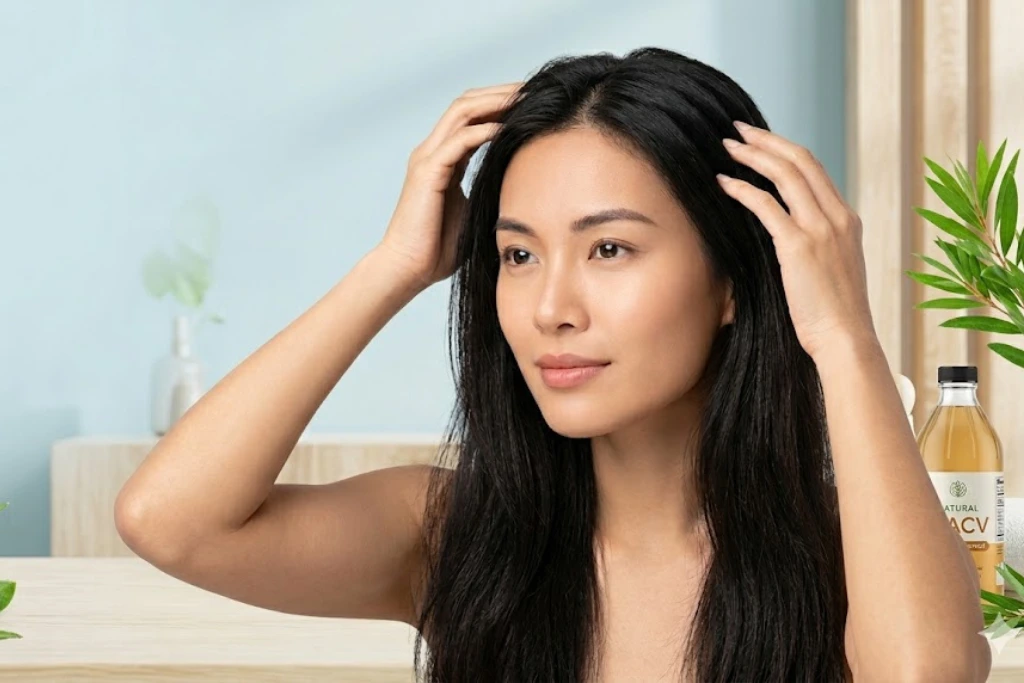
Secondly, Apple Cider Vinegar Rinse is a rescue. It sounds weird, but it works surprisingly well for the scalp. ACV helps remove buildup and rebalance the scalp condition.
A Quick DIY Mix:
Take 2 tablespoons of apple cider vinegar and 1 cup of water. After shampooing: Pour it onto your scalp and leave it for 2–3 minutes, and finally rinse thoroughly. Simple!
Thirdly, Aloe Vera Is Magical for Oily Scalps.
If your scalp feels greasy and irritated, aloe vera can calm things down fast by removing excess oil without making your scalp dry and angry. Sounds fun, right?
Let’s see how to use it-
Apply fresh aloe vera gel directly to your scalp & leave for 20 minutes, and wash gently, voila!
A natural solution to remove oil from your scalp.
Also, Don’t Put Conditioner on Your Scalp, Seriously! Because the conditioner belongs on your mid-lengths and ends, not your roots.
Not even the so-called bottled natural conditioner that claims a guarantee. Putting it directly on your scalp can make oiliness much worse, and you may see instant hair fall.
And finally, Clean Your Brushes and Pillowcases because dirty brushes transfer old oil and bacteria right back onto your scalp.
That’s why, Wash: pillowcases weekly, brush regularly, hats and caps often. Build a cleanliness habit, and it can bring a bigger difference in your skin and face.
Remedies to Fix an Oily Scalp
If you’re crying out loud, why is my scalp oily? Then follow some rules-
- Use Scalp Exfoliation Once a Week
- Eat Foods That Help Your Scalp ( eat protein,omega-3 fats, zinc, leafy vegetables, and a gallon of water).
- Cutting back on processed junk food will help reduce your inflammation and excess oil production.
- Reduce Heat Styling and
- try giving your hair occasional “rest days.”
How Professional Scalp Massage Helps With Hair Loss
This part is seriously underrated, and we don’t talk much about it. The truth is, a professional scalp massage is not just relaxing spa stuff.
Rather, it can genuinely help improve scalp health. Since professional aestheticians are experts in it, a deep scalp massage can lead to Better Blood Flow = Healthier Hair!
A right Massage with proper knowledge improves blood circulation around hair follicles. That means: more oxygen, more nutrients, and healthier roots. And we all know healthier roots support stronger hair growth.According to Medical News Today, scalp massage may improve hair thickness over time by stimulating follicles.
It Helps Remove Oil Buildup. Professional scalp massage helps loosen: dead skin, excess oil, and product residue. Resulting in a cleaner environment for hair growth.
It Reduces Stress! Remember how stress increases oil production? Yes, scalp massage helps lower stress hormones naturally. That’s one reason people often notice their scalp feels healthier after regular sessions. So, if you think that you don’t have enough time for a diy, then you can go to a professional spa center and unwind.
Final Thoughts
An oily scalp seems harmless at first, but over time, it seriously affects your scalp health and contributes to hair thinning. So take action on how you can reduce an oily scalp. You know the solution, just follow it by taking regular care, some DIYs, and changing food habits.
Or even seeking the help of professionals can be helpful.
The important thing is catching it early and taking the necessary steps! By understanding the causes of oily scalp and how oily scalp and hair loss are connected, you can treat them naturally. Trust me, it becomes much easier to control the problem before it gets worse.
FAQs
Does oily scalp cause hair loss permanently?
Not always, because hair loss is caused by an oily scalp and it’s temporary.
Can an oily scalp cause hair thinning?
Yes, it creates buildup around hair follicles, triggers inflammation, and increases dandruff, resulting in visible hair thinning around the crown and hairline.
How often should I wash oily hair?
Wash every 2–3 days with a mild and gentle shampoo.