Finding the perfect massage can completely change how your body feels and moves. Remedial massage and sports massage often get mixed up, but each offers its own unique benefits. Knowing the difference can help you relieve pain, recover faster, and feel more energized.
Both ease tension, restore movement, and make your body feel alive but the way they do it, the intensity, and the goal are different.
- Remedial massage focuses on healing injuries, correcting posture, and easing chronic pain. It’s about getting your body back to feeling normal again.
- Sports massage targets athletes or active people. It boosts performance, prevents injuries, and helps your muscles recover faster.
- Remedial massage goes deep to reach the root of pain. It’s precise and restorative.
- Sports massage mixes stretching and firm pressure to prep your muscles for action or repair after exercise.
- Both types improve circulation, release stiffness, and bring balance back to your muscles.
- Both rely on expert techniques designed just for your body’s needs.
- The right choice depends on your lifestyle, goals, and what your body truly needs.
Whether you’re dealing with nagging aches or training for peak performance, choosing the right massage can leave you feeling lighter, stronger, and more in tune with your body. It’s not just therapy, it’s care that makes you feel human again.
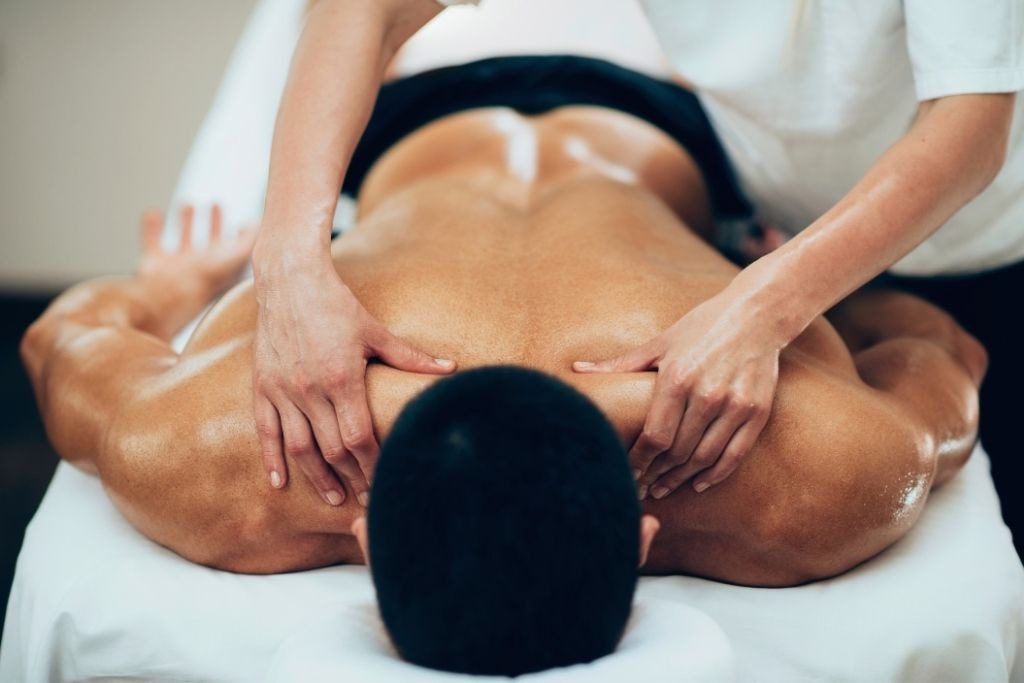
What Is Remedial Massage?
Remedial massage is designed to heal. It targets chronic pain, injuries, and tight muscles. The goal is to fix the root problem, not just the symptoms. Therapists use techniques like deep tissue massage, trigger point therapy, and myofascial release to restore movement and ease discomfort.
Benefits of Remedial Massage:
- Pain relief: Targets specific areas to reduce chronic aches.
- Improved flexibility: Breaks down muscle knots and eases stiffness.
- Better circulation: Boosts blood and lymph flow for faster healing.
- Stress reduction: Calms the body and relaxes the nervous system.
- Posture support: Helps correct misalignment and tension patterns.
When to Consider Remedial Massage:
- Persistent muscle pain or stiffness
- Recovery from strains or soft tissue injuries
- Poor posture or alignment issues
- Headaches from muscle tension
- Repetitive strain injuries (e.g., carpal tunnel)
- General stress or tension relief
What Is Sports Massage?
Sports massage is made for active bodies. It focuses on preventing injuries, improving performance, and speeding recovery. Techniques include deep tissue work, stretching, and muscle manipulation. It targets overworked muscles, especially in the legs, back, and shoulders.
Benefits of Sports Massage:
- Faster recovery: Reduces soreness and removes waste products like lactic acid.
- Injury prevention: Releases tension and improves flexibility to avoid strains.
- Enhanced performance: Boosts range of motion, coordination, and muscle function.
- Pain relief: Helps with soreness and tension from training.
- Muscle relaxation: Reduces stiffness to support peak performance.
Timing for Sports Massage:
- Pre-event: Prepares muscles for activity, improves flexibility, and reduces strain risk.
- Uses lighter pressure and faster strokes
- Includes stretching to warm muscles
- Uses lighter pressure and faster strokes
- Post-event: Focuses on recovery and reducing soreness.
- Slower strokes and deeper pressure
- Gentle stretching and relaxation techniques
- Slower strokes and deeper pressure
How They Differ
- Focus: Remedial massage treats pain and dysfunction. Sports massage improves performance and recovery.
- Techniques: Both may use deep tissue or trigger point therapy, but sports massage adds stretching and muscle prep.
- Timing: Sports massage is often around training or competitions. Remedial massage is ongoing, for chronic issues or recovery.
Both massages can complement each other. A therapist may use remedial massage to fix posture or muscle imbalances, then apply sports massage to keep the body performing well. This combination supports pain relief, better movement, and long-term resilience.
If you’re unsure which is right for you, think about your main goal: do you need pain relief and healing, or performance and recovery support? A qualified therapist can help design a plan tailored to your body and lifestyle.
Key Differences Between Remedial and Sports Massage
| Feature | Remedial Massage | Sports Massage |
| Purpose | Treats pain, injuries, muscle dysfunction | Improves performance, prevents injuries, speeds recovery |
| Techniques | Deep tissue, trigger point therapy, myofascial release | Deep pressure, stretching, muscle manipulation |
| Focus Area | Problem areas, underlying issues | Muscles used in activity or prone to strain |
| Timing | Ongoing treatment for chronic issues | Pre- or post-event, training, or competition |
| Benefits | Reduces pain, restores movement, improves posture | Enhances flexibility, aids recovery, boosts performance |
| Intensity | Firm pressure, slow, focused | Varies: fast pre-event, deep post-event |
| Goal | Fix root cause of pain or dysfunction | Maintain readiness, prevent injuries, optimize performance |
How to Choose Between Remedial and Sports Massage
Knowing which massage suits your needs starts with understanding your body and goals. Each type addresses different issues and outcomes.
- Pinpoint your main concern: Pain, stiffness, or chronic injury signals remedial massage.
- Focus on activity and recovery: Regular training or sports performance benefits from sports massage.
- Timing matters: Remedial massage is ongoing treatment. Sports massage fits before or after physical activity.
- Intensity levels: Remedial massage uses slow, firm pressure. Sports massage mixes light, medium, and deep strokes with stretching.
- Target areas: Remedial massage addresses problem muscles. Sports massage works on overused or active muscle groups.
- Lifestyle impact: Sedentary or desk-bound people gain from remedial massage. Active individuals gain from sports massage.
- Professional input: A trained therapist can assess posture, muscle balance, and activity level, then recommend the ideal plan.
Using these points helps relieve pain, restore mobility, and improve physical performance. Often, combining both approaches provides the most complete results.
Remedial massage heals chronic issues, while sports massage keeps muscles ready, flexible, and resilient.
Integrating Remedial and Sports Massage
Remedial and sports massage can complement each other for better results. Using both creates a complete approach to body health, recovery, and performance.
- Start with assessment: A therapist identifies chronic pain, tight muscles, posture issues, and overused areas.
- Address underlying issues first: Remedial massage focuses on fixing dysfunction, reducing pain, and releasing tight muscles.
- Prepare muscles for activity: Sports massage warms up muscles, improves flexibility, and reduces injury risk.
- Post-activity recovery: After training or competition, sports massage reduces soreness, removes waste products, and supports repair.
- Custom scheduling: Sessions can be spaced according to pain levels, training load, or recovery needs.
- Long-term benefits: Combining techniques improves mobility, reduces injury recurrence, and enhances overall muscle performance.
- Personalized plan: Therapists adjust pressure, techniques, and focus areas depending on progress and goals.
This integrated method ensures chronic issues don’t interfere with performance. It also keeps the body agile, balanced, and resilient. Clients experience less pain, faster recovery, and more effective movement patterns over time.
Expert Care for Your Body at Spa Restoration Center
Experience the full benefits of remedial and sports massage at Spa Restoration Center. Our trained therapists use targeted techniques to relieve pain, improve mobility, and enhance performance.
Every session is tailored to your needs, whether you want to recover from chronic tension, prevent injuries, or boost athletic performance.
- Personalized Approach: Therapists assess your body and design sessions for maximum results.
- Pain Relief and Recovery: Reduce soreness, release tight muscles, and restore balance.
- Performance Enhancement: Improve flexibility, circulation, and muscle coordination.
- Holistic Wellness: Combine massage techniques for long-term health, stress reduction, and improved posture.
Don’t wait to feel your best. Book your appointment today at Spa Restoration Center and give your body the care it deserves.
FAQ – Remedial Massage vs Sports Massage
1. Can remedial massage and sports massage be combined?
Yes. Therapists can use remedial techniques to address chronic pain or posture issues, then apply sports massage to improve flexibility, recovery, or performance.
2. How often should I get a remedial massage?
For chronic pain or injury recovery, 1–2 sessions per week is common. Frequency depends on your condition and therapist’s plan.
3. Is sports massage only for athletes?
No. While ideal for active people, anyone experiencing muscle tightness or looking to prevent injuries can benefit.
4. Can I feel sore after these messages?
Some mild soreness may occur, especially after deep tissue work. It usually fades within 24–48 hours.
5. How long does each session last?
Remedial and sports massages typically last 60–90 minutes, depending on your needs and focus areas.